

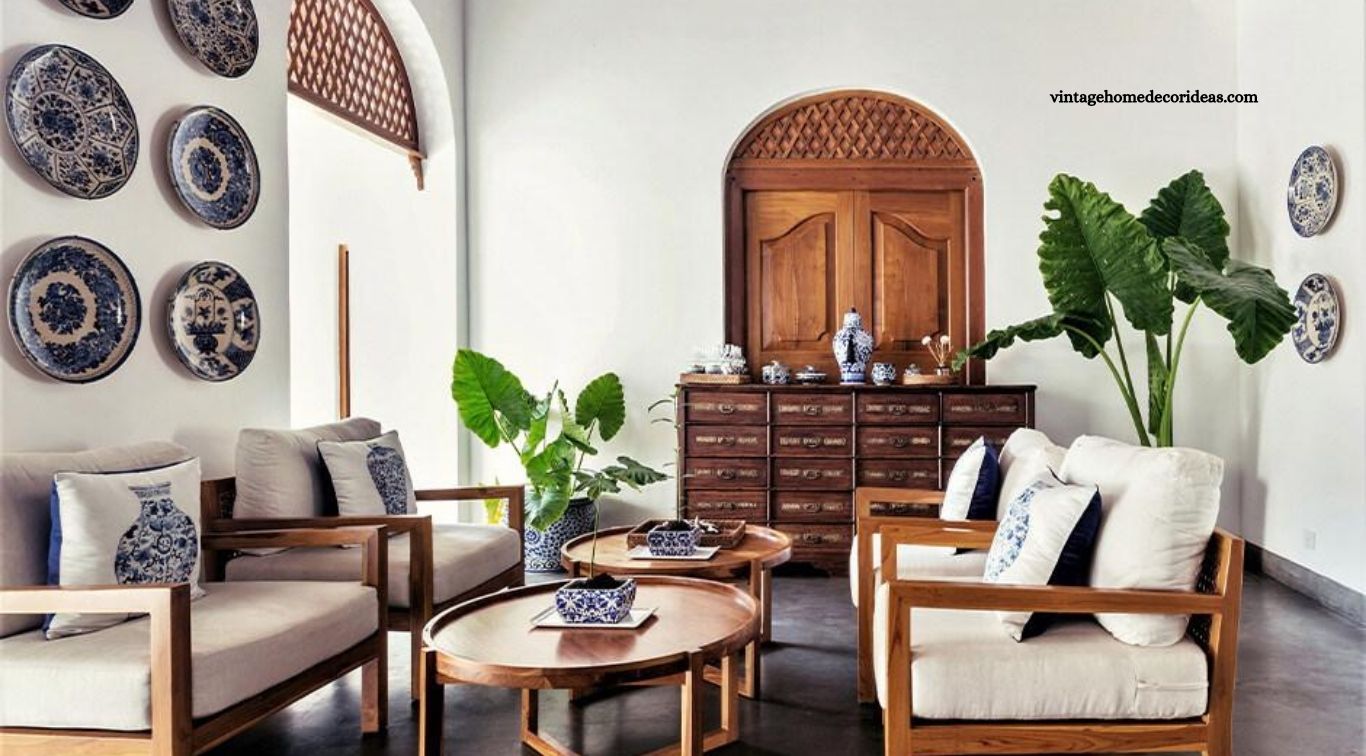
Cottage style is all about creating a warm, comfortable, and welcoming home with natural materials, soft colors, vintage details, and charming decorations. Inspired by countryside living, this design approach combines simplicity with personality, making any space feel relaxed and inviting. Whether you live in a modern apartment, a small house, or a traditional property, you can introduce cottage-inspired elements without undertaking an expensive renovation.
The beauty of cottage style lies in its flexibility. You can combine floral fabrics, wooden furniture, cozy textiles, handmade accessories, and nature-inspired colors to create a space that reflects your taste. The goal is not to make every room look old-fashioned but to balance comfort, character, and practicality. With a few thoughtful changes, you can transform your home into a peaceful retreat that feels timeless and personal.
Read More: Cottage Style Decorating Ideas Using Thrifted Finds
Choose a Soft and Natural Color Palette
Color is one of the easiest ways to introduce cottage style into your home. Soft white, cream, warm beige, pale green, dusty blue, and muted pink create a calm atmosphere that works well with natural materials. These shades reflect the gentle appearance of countryside homes and help rooms feel bright without looking overly formal. You can use neutral colors on walls and larger furniture pieces while adding subtle color through curtains, cushions, and decorative accessories.
For a balanced look, choose two or three main colors and repeat them throughout the room. For example, cream walls, sage-green cushions, and natural wood furniture can create a coordinated living space. Avoid relying entirely on stark white or too many competing shades if you want a softer result. A little variation in tone adds depth while preserving the relaxed character associated with cottage interiors.
Add Natural Wood Furniture
Wooden furniture brings warmth and texture to cottage-style rooms. A farmhouse dining table, a simple wooden bed frame, a vintage sideboard, or a small rustic coffee table can become a focal point without overwhelming the space. Natural finishes allow the grain and character of the wood to remain visible, helping the room feel connected to nature. Reclaimed or secondhand furniture can also introduce history and individuality.
You do not need to replace all your existing furniture to achieve this look. Consider refinishing a wooden chair, replacing modern handles with traditional-style hardware, or adding a small timber shelf. Mixing older pieces with simple contemporary furniture can make your home feel collected rather than staged. Choose practical pieces that provide storage and everyday comfort while contributing to the warm, lived-in atmosphere of cottage design.
Use Floral Prints and Traditional Patterns
Floral patterns are a familiar feature of cottage interiors because they bring color, softness, and a connection to the garden. Small-scale flowers can work beautifully on cushions, curtains, bedding, and upholstered chairs. If you prefer a more subtle approach, introduce just one floral element and combine it with plain fabrics in complementary colors. This keeps the room visually interesting without making it feel crowded.
Other patterns, including gingham, stripes, checks, and delicate botanical designs, can also support the cottage aesthetic. To mix patterns successfully, keep their colors related and vary their scale. For instance, pair small floral cushions with a larger checked throw and plain neutral curtains. Repeating a shared shade across these fabrics helps the room feel coordinated, even when the patterns are different.
Create a Cozy Living Room
A cottage-style living room should feel comfortable enough for reading, relaxing, and spending time with family. Start with a welcoming sofa, soft cushions, a warm throw, and a rug that adds texture underfoot. Natural fabrics, wooden furniture, and gentle colors can create a relaxed foundation. A bookshelf, a small side table, or a comfortable reading chair can make the room feel personal and useful rather than simply decorative.
Lighting also plays an important role in creating a cozy atmosphere. Use table lamps, floor lamps, and warm-toned bulbs to soften the room after sunset. Add a few meaningful accessories, such as framed artwork, ceramic vases, or a bowl of seasonal flowers. Instead of filling every surface with decorations, leave some open space so the room remains easy to maintain and comfortable to use.
Bring Nature Indoors with Plants and Flowers
Plants and fresh flowers add life to cottage-style interiors while reinforcing their connection to the outdoors. A vase of seasonal flowers on the dining table, a potted plant near a sunny window, or herbs on a kitchen shelf can introduce natural color and texture. Choose plants that suit the available light and your ability to care for them, rather than selecting varieties based only on appearance.
Natural elements can also include dried flowers, branches, woven baskets, and decorative pots made from clay or ceramic. Arrange these items in small groups to create interest without overcrowding shelves or tables. If fresh flowers are not practical, greenery with minimal maintenance can offer a similar effect. The key is to make nature feel like a natural part of everyday living instead of an occasional decoration.
Design a Charming Cottage-Style Kitchen
A cottage-style kitchen often combines practical storage with warm finishes and simple decorative details. Wooden chopping boards, ceramic containers, open shelves, and traditional-style cabinet handles can soften a modern kitchen without requiring a complete makeover. Cream, pale green, muted blue, and natural wood are useful choices for creating a light and welcoming appearance. Even small changes can make the kitchen feel more personal.
Keep the design functional by displaying only the items you use regularly or genuinely enjoy seeing. Store everyday dishes on accessible shelves, group cooking essentials near the stove, and use baskets to organize smaller supplies. A simple tablecloth, a vase of flowers, or a patterned tea towel can add cottage charm at a low cost. Make sure open shelves and decorative arrangements do not interfere with safe cooking or easy cleaning.
Make the Bedroom Feel Peaceful and Inviting
A cottage-style bedroom should feel restful, soft, and comfortable. Begin with breathable bedding in cotton or linen, using neutral colors or gentle floral prints to establish the mood. Layering a quilt, a lightweight blanket, and a few cushions adds texture without requiring expensive furniture. A wooden bed frame, a simple bedside table, and a fabric lampshade can complete the look while keeping the room practical.
Small decorative details can make the bedroom feel more personal. Hang simple artwork, display a favorite book, or place a small vase beside the bed. If you have limited space, choose furniture with built-in storage and avoid adding too many accessories. Soft curtains and warm bedside lighting can help create a calm atmosphere, while keeping the surfaces tidy makes the room easier to relax in at the end of the day.
Use Vintage and Secondhand Decorations
Vintage accessories can give a cottage-style home a sense of history and individuality. Look for ceramic jugs, framed prints, old wooden boxes, woven baskets, mirrors, and traditional tableware at secondhand shops or local markets. These pieces often have distinctive textures and finishes that make a room feel more interesting than one decorated entirely with matching new products. Choose objects that fit your color scheme and have a purpose or personal meaning.
You can also repurpose items you already own instead of buying new decorations. An old jar can hold flowers, a wooden crate can provide storage, or a simple frame can display a favorite print. The best results come from selecting a few meaningful pieces rather than collecting everything that looks vintage. Check secondhand furniture for stability and damage, and clean decorative items appropriately before bringing them into your home.
Add Texture with Natural Fabrics
Texture is essential to cottage style because it creates warmth even when the color palette is simple. Cotton, linen, wool, jute, and other natural-looking materials can be used in cushions, rugs, curtains, bedding, and throws. Combining different textures helps a neutral room feel layered and comfortable. For example, linen curtains, a woven rug, and a knitted blanket can create visual depth without introducing many additional colors.
Choose fabrics based on how each room is used. Durable, washable materials are useful for family spaces, while softer decorative textiles may suit bedrooms or reading corners. You can refresh a room by changing cushion covers or adding a new throw rather than purchasing a new sofa or bed. Repeating similar materials in several places creates a cohesive design while allowing each room to maintain its own character.
Decorate with Open Shelves and Handmade Details
Open shelves can add both charm and storage to a cottage-style home. In a kitchen, they can display everyday dishes, glass jars, and a few decorative pieces. In a living room, shelves can hold books, small plants, framed photographs, and handmade objects. Using a mixture of heights, shapes, and textures creates a relaxed arrangement that feels more natural than lining up identical accessories.
Handmade details make the home feel personal and unique. Consider displaying pottery, woven baskets, embroidered cushions, knitted blankets, or artwork created by local makers. You can also try simple DIY projects, such as repainting a small table or creating fabric-covered storage boxes. Keep the arrangements practical and avoid overcrowding shelves, particularly in rooms where dust, cooking residue, or limited space can make maintenance difficult.
Improve Your Home with Soft Lighting
Soft lighting can transform the mood of a room and highlight the textures that make cottage style appealing. Table lamps, floor lamps, wall lights, and pendant fixtures with simple shades can create a warm, layered effect. Warm-white bulbs generally produce a more relaxing atmosphere than harsh, cool lighting in living rooms and bedrooms. If possible, use separate light sources for reading, working, and relaxing.
Make the most of natural daylight by keeping windows clear and choosing curtains that suit the room. Lightweight fabrics can allow more daylight into a space, while lined curtains may be useful when privacy or insulation is important. Mirrors can help reflect available light, especially in smaller rooms. Always choose safe electrical fittings and place lamps where cords and hot bulbs will not create hazards.
Create a Cottage-Style Entryway
An inviting entryway helps establish the character of your home from the moment someone walks inside. A small wooden bench, a wall-mounted row of hooks, a woven basket, or a simple mirror can add cottage charm while serving a practical purpose. If space allows, a narrow console table can provide a place for keys and mail, while a small plant or framed print adds a personal touch.
In a compact entryway, prioritize organization over decoration. Use baskets for shoes, hooks for bags, and a washable mat to manage dirt brought in from outdoors. Choose a light color palette to help the space feel open, and avoid placing large furniture where it blocks movement. A tidy entrance can make the entire home feel calmer and more welcoming without requiring a major design project.
Cottage Style Ideas for Small Homes
Cottage style can work especially well in small homes because it emphasizes comfort, practical furniture, and thoughtful decoration. Light wall colors, mirrors, compact wooden furniture, and simple window treatments can help a room feel more spacious. Choose pieces that serve more than one purpose, such as a storage bench, a small dining table with drawers, or a bedside table that also holds books and personal items.
To prevent a small home from feeling cluttered, introduce cottage details gradually. A floral cushion, a woven basket, a vintage mirror, and a few plants may be enough to establish the style. Keep walking areas clear and use vertical shelves to make better use of wall space. You can create a charming, layered interior without filling every corner or purchasing furniture that the room cannot comfortably accommodate.
Budget-Friendly Ways to Transform Your Home
You do not need a large budget to create a cottage-inspired interior. Start by rearranging existing furniture, removing unnecessary clutter, and identifying the rooms that would benefit most from a refresh. Painting a wall, changing cushion covers, adding a secondhand wooden piece, or displaying flowers in a simple vase can make a noticeable difference. Small, coordinated changes often have more impact than buying many unrelated decorations.
Before purchasing anything, make a short list of priorities and set a spending limit. Explore secondhand shops, local craft markets, and affordable fabric options, while checking the quality of items before buying. Reuse jars, baskets, and furniture you already own whenever possible. Focus your budget on useful pieces and durable materials, then add decorative accents gradually as you discover what works best in your home.
Common Cottage Style Decorating Mistakes to Avoid
One common mistake is assuming that cottage style requires every surface to be covered with flowers, vintage objects, and decorative accessories. Too many patterns or unrelated items can make a room feel busy rather than cozy. Another mistake is choosing furniture based only on appearance without considering comfort, storage, or the size of the room. A successful cottage interior balances character with everyday practicality.
It is also worth avoiding an overly coordinated look in which every fabric, color, and piece of furniture matches exactly. Cottage style often feels more authentic when different materials and periods are combined thoughtfully. Choose a consistent color palette, mix textures, and leave enough empty space for the room to breathe. Regularly edit your decorations so the home remains welcoming, functional, and easy to clean.
Frequently Asked Questions
What is cottage style in home decor?
Cottage style is a relaxed interior design approach that uses natural materials, soft colors, vintage details, floral patterns, and comfortable furnishings.
How can I make my home look cottage-style on a budget?
Reuse existing furniture, shop secondhand, add soft textiles, display plants, and refresh small details such as handles, cushions, and curtains.
Which colors work best for cottage interiors?
Cream, warm white, beige, sage green, dusty blue, and muted pink are popular choices for creating a calm and welcoming atmosphere.
Can cottage style work in a small apartment?
Yes. Use light colors, compact furniture, a few vintage accents, and practical storage to create cottage charm without overcrowding the space.
What materials are common in cottage-style homes?
Wood, cotton, linen, wool, wicker, jute, and ceramic are commonly used to add natural texture and warmth.
How do I decorate a cottage-style living room?
Start with comfortable seating, layered textiles, warm lighting, wooden furniture, and a few personal decorations such as books, plants, or framed art.
Conclusion
Simple cottage style ideas can help transform your home into a warm and inviting space without requiring a complete renovation. Soft colors, natural wood, floral fabrics, vintage accessories, cozy textiles, and gentle lighting all contribute to the relaxed character of this design approach. By focusing on comfort and adding details that reflect your personality, you can create rooms that feel timeless rather than tied to a passing trend. The most effective approach is to start with small, manageable changes and build your design gradually.

1 Comment
Pingback: Cottage Style Dining Room Ideas for a Cozy Vintage Look - Vintage Home Decor