

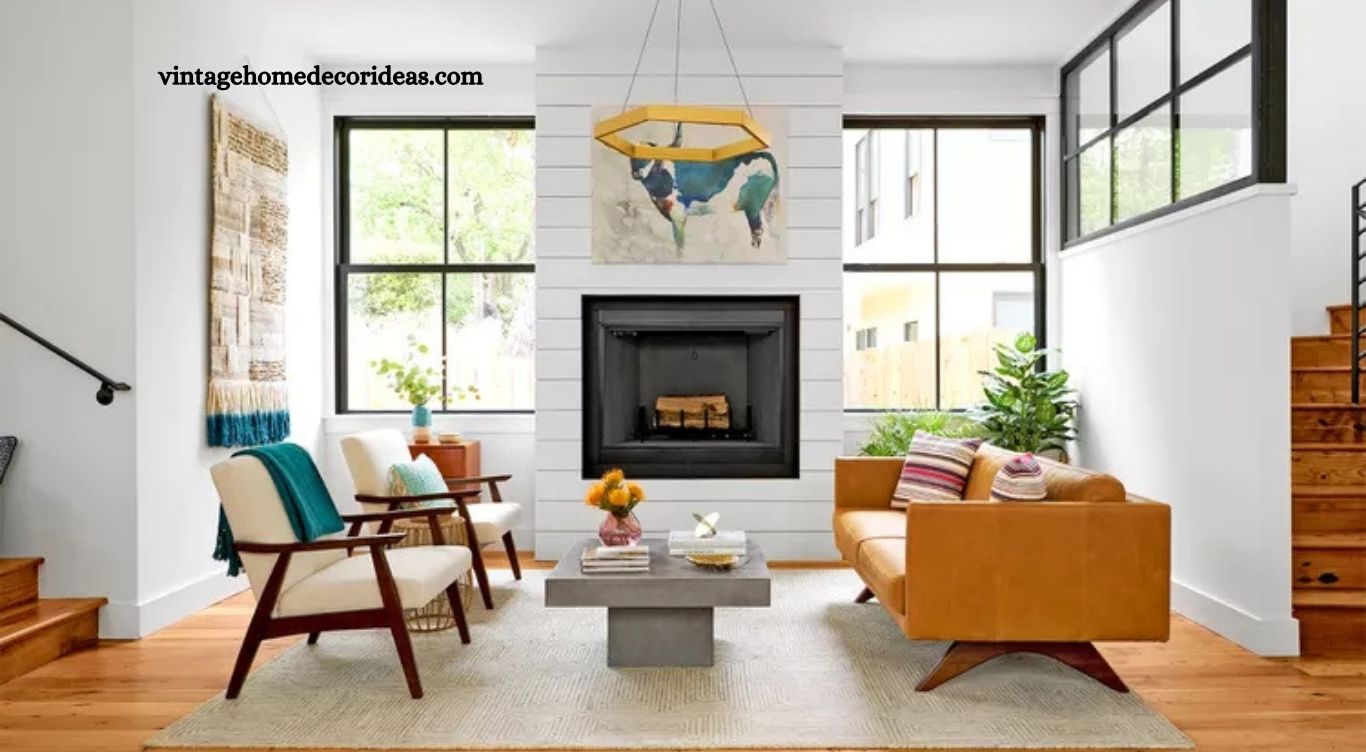
Scandi-farmhouse design brings together two beloved interior styles to create a home that feels bright, comfortable, practical, and personal. The aesthetic combines the clean lines and understated beauty of Scandinavian interiors with the warmth, character, and lived-in appeal of farmhouse design.
The result is a balanced decorating style that avoids both extremes. It is not overly minimalist or cold, yet it does not rely on heavy rustic furniture, excessive decoration, or dark finishes. Instead, Scandi-farmhouse spaces focus on warm neutrals, natural materials, soft textures, functional furniture, and plenty of natural light.
What Is Scandi-Farmhouse Style?
Scandi-farmhouse is an interior design style that merges Scandinavian simplicity with traditional farmhouse comfort. Scandinavian design is known for clean lines, practical layouts, light colors, and a minimalist approach. Farmhouse interiors traditionally emphasize natural wood, comfortable furniture, rustic details, and pieces that feel connected to family and history.
Read More: Petaluma Farmhouse Sells for Over $3.3 Million After Major Renovation
Scandi-farmhouse takes the strongest qualities from both styles and creates something softer and more approachable. The Scandinavian influence keeps rooms bright, uncluttered, and organized, while farmhouse elements add warmth and personality.
The style works particularly well for homeowners who want a peaceful interior without sacrificing comfort. Every piece has a purpose, but the overall room still feels relaxed rather than overly designed.
Warm Neutral Colors Create the Foundation
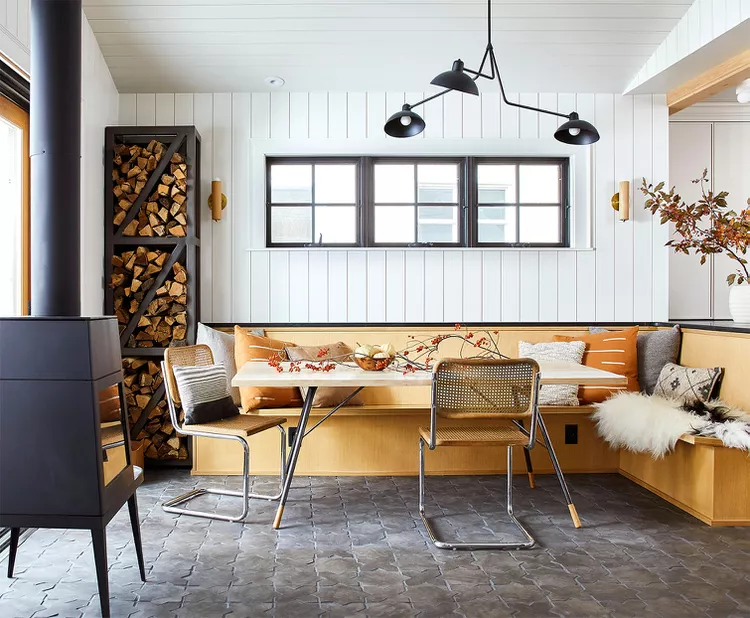
Color plays an important role in Scandi-farmhouse interiors. Instead of dramatic shades or strong contrasts, the style relies on warm neutral colors that make rooms feel open and inviting.
White, cream, soft beige, warm gray, and natural wood tones are common choices. Warm white walls paired with light or medium oak flooring can immediately establish the right foundation. These colors reflect natural light while creating a comfortable atmosphere.
Texture can prevent neutral rooms from looking plain. Limewash-style walls, lightly textured fabrics, natural wood surfaces, and woven accessories add visual depth without introducing excessive color.
Muted colors can also be included when used carefully. Soft sage green, dusty blue, and subtle terra-cotta can bring personality to a room while maintaining the calm character of the design.
Natural Light Is Essential
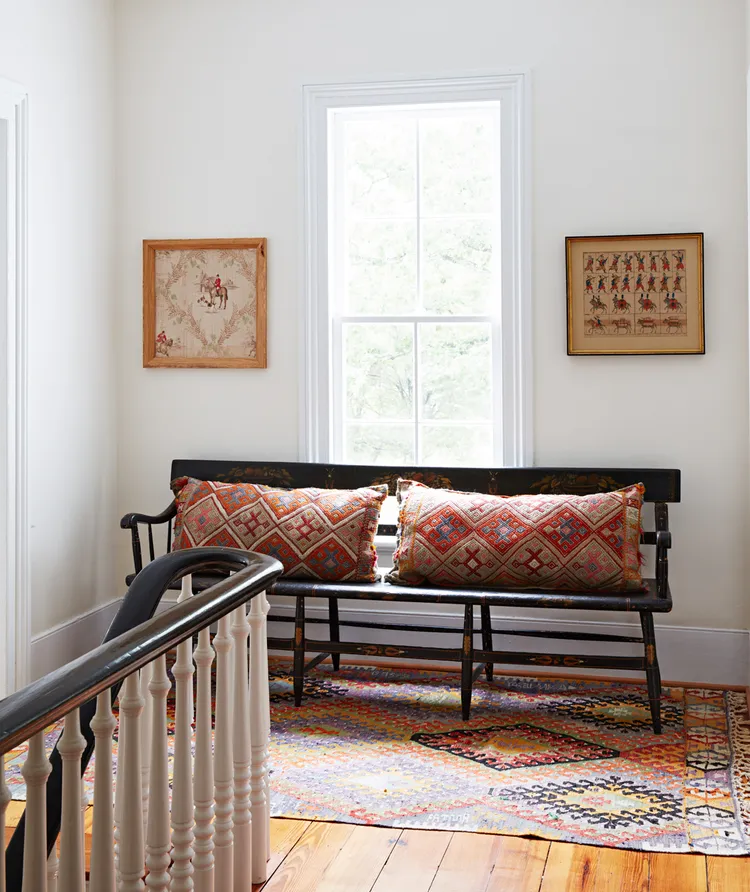
Natural light is one of the defining features of Scandinavian interiors, making it equally important in Scandi-farmhouse spaces. Large windows, simple window treatments, and uncluttered furniture arrangements help sunlight move freely throughout the room.
White and warm neutral surfaces can make natural light feel even stronger. Rather than covering windows with heavy curtains, choose lightweight linen or cotton treatments that provide privacy without making the room feel dark.
Furniture placement also matters. Avoid filling areas around windows with oversized furniture or excessive decorations. Keeping these spaces open creates a brighter, calmer environment.
Natural Materials Add Warmth
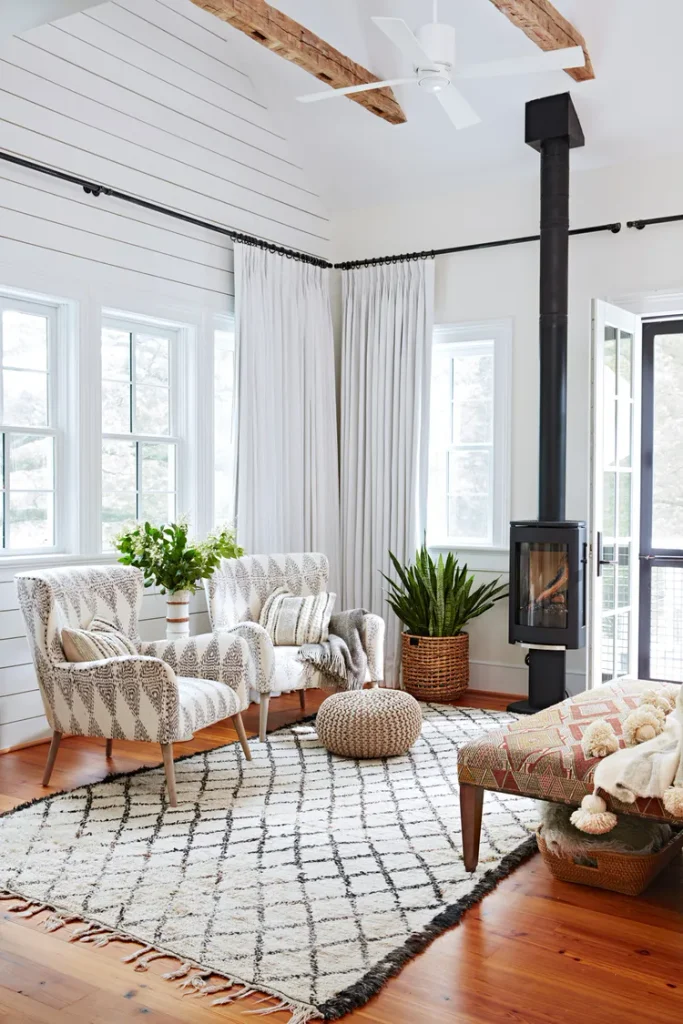
Natural materials help bring the farmhouse side of the aesthetic into a Scandinavian-inspired setting. Wood, stone, rattan, linen, cotton, wool, jute, and leather can all contribute to the look.
Light-colored wood is especially effective because it combines the warmth of farmhouse design with the simplicity associated with Scandinavian interiors. Oak dining tables, wooden flooring, exposed beams, and simple cabinetry can work beautifully in this style.
Textiles should feel natural and comfortable rather than overly decorative. Linen curtains, wool throws, cotton bedding, jute rugs, and woven baskets provide tactile interest while keeping the overall appearance understated.
Simplicity Meets Functionality
Scandi-farmhouse design is not simply about making a room look attractive. Functionality is equally important. Furniture should provide comfort and serve a clear purpose, while storage should help maintain an organized environment.
The goal is not to hide every practical item. Open shelving, baskets, hooks, and thoughtfully arranged storage can remain visible as long as they contribute to an orderly appearance.
Furniture should also be proportional to the room. Oversized pieces can make a space feel crowded, while carefully selected furniture leaves enough room for movement and everyday activities.
This functional approach makes Scandi-farmhouse particularly suitable for busy households. Rooms can feel polished without becoming difficult to live in.
Choosing the Right Furniture
Furniture provides an excellent opportunity to combine Scandinavian and farmhouse influences. Look for pieces with simple silhouettes, natural finishes, and comfortable materials.
A solid oak dining table with straight legs paired with linen-covered dining chairs is a classic example. The table introduces farmhouse warmth, while the clean shape keeps the arrangement modern.
Midcentury-inspired furniture can also work well because its streamlined shapes complement Scandinavian design. Traditional farmhouse pieces can be added selectively to create character, particularly when they feature natural wood or simple construction.
Avoid filling the room with matching furniture sets. A more collected approach feels authentic and allows individual pieces to contribute personality.
Use Soft Colors Instead of Bold Accents
Scandi-farmhouse interiors generally avoid bright, highly saturated colors. Instead, color should support the warm and relaxed atmosphere.
Sage green can bring a subtle connection to nature, while dusty blue adds a quiet sense of freshness. Terra-cotta can introduce warmth without overpowering neutral surroundings.
The key is moderation. Choose one or two muted accent colors and repeat them naturally through cushions, artwork, ceramics, rugs, or other small details.
The neutral foundation should remain dominant. This keeps the room visually peaceful while allowing personal touches to stand out.
Texture Is More Important Than Pattern
Texture is one of the easiest ways to make a Scandi-farmhouse room feel comfortable without creating visual clutter. Instead of relying heavily on patterns, layer different materials throughout the space.
In a bedroom, a linen duvet can be paired with a soft wool throw and a few simple cushions. A woven rug can add warmth beneath the bed, while natural wood furniture provides another layer of texture.
In a living room, combine a comfortable fabric sofa with a wooden coffee table, woven baskets, a textured rug, and soft curtains.
The objective is to create depth without making the room feel busy. Each layer should have a purpose and complement the materials already present.
How to Avoid Making the Style Look Too Rustic
One of the biggest challenges with Scandi-farmhouse design is maintaining balance. Too many farmhouse elements can make a room feel heavy or traditionally rustic, while too much Scandinavian minimalism can make it feel cold.
Avoid excessive distressed finishes, overly decorative signs, artificial rustic accessories, and dark wood throughout the room. Instead, use farmhouse-inspired details selectively.
Light wood, simple vintage pieces, natural textiles, and practical accessories provide farmhouse character without overwhelming the Scandinavian foundation.
Create a Comfortable Living Space
The living room is an ideal place to introduce Scandi-farmhouse design. Start with a neutral sofa and add warmth through wood furniture, woven accessories, and soft textiles.
A simple coffee table, natural-fiber rug, linen curtains, and a few carefully selected decorative pieces can create a relaxed atmosphere. Plants can also add freshness and reinforce the connection with nature.
Keep surfaces relatively uncluttered. Rather than displaying numerous accessories, choose a small collection of meaningful objects, books, ceramics, or artwork.
Bring Scandi-Farmhouse Style Into the Kitchen
Kitchens can benefit greatly from the clean and practical qualities of this design style. White or cream cabinetry, natural wood countertops, simple hardware, and open shelving can create a warm yet organized appearance.
Wooden cutting boards, woven baskets, ceramic dishes, and linen towels can provide subtle farmhouse character. Keep decorative items functional whenever possible.
A combination of painted cabinetry and natural wood is particularly effective because it creates contrast without relying on bold colors.
Frequently Asked Questions
What is Scandi-farmhouse design?
Scandi-farmhouse design combines Scandinavian minimalism with the warmth, natural materials, and comfort of traditional farmhouse interiors.
What colors work best for Scandi-farmhouse interiors?
Warm whites, creams, soft beiges, light grays, sage green, dusty blue, and muted terra-cotta work well with this style.
What materials are commonly used in Scandi-farmhouse design?
Natural wood, stone, rattan, linen, cotton, wool, jute, and leather are popular materials for adding warmth and texture.
Is Scandi-farmhouse the same as modern farmhouse?
No. Scandi-farmhouse combines Scandinavian simplicity with farmhouse warmth, while modern farmhouse generally focuses more heavily on contemporary rustic elements.
How can I make my home look Scandi-farmhouse?
Use warm neutral colors, simple furniture, natural wood, soft textiles, uncluttered layouts, and plenty of natural light.
Can I use color in Scandi-farmhouse interiors?
Yes. Choose muted earthy shades rather than bright colors to maintain the calm and understated character of the style.
What makes Scandi-farmhouse interiors feel cozy?
Layered natural textures, comfortable furniture, warm wood tones, soft textiles, natural light, and carefully selected personal accessories create a cozy atmosphere.
Conclusion
Scandi-farmhouse design creates a welcoming balance between Scandinavian simplicity and farmhouse comfort. Warm neutral colors, natural materials, soft textures, functional furniture, and plenty of natural light help create spaces that feel bright, organized, and lived-in. By keeping decoration intentional and adding personal touches carefully, you can achieve a timeless interior that feels both stylish and comfortable.
