

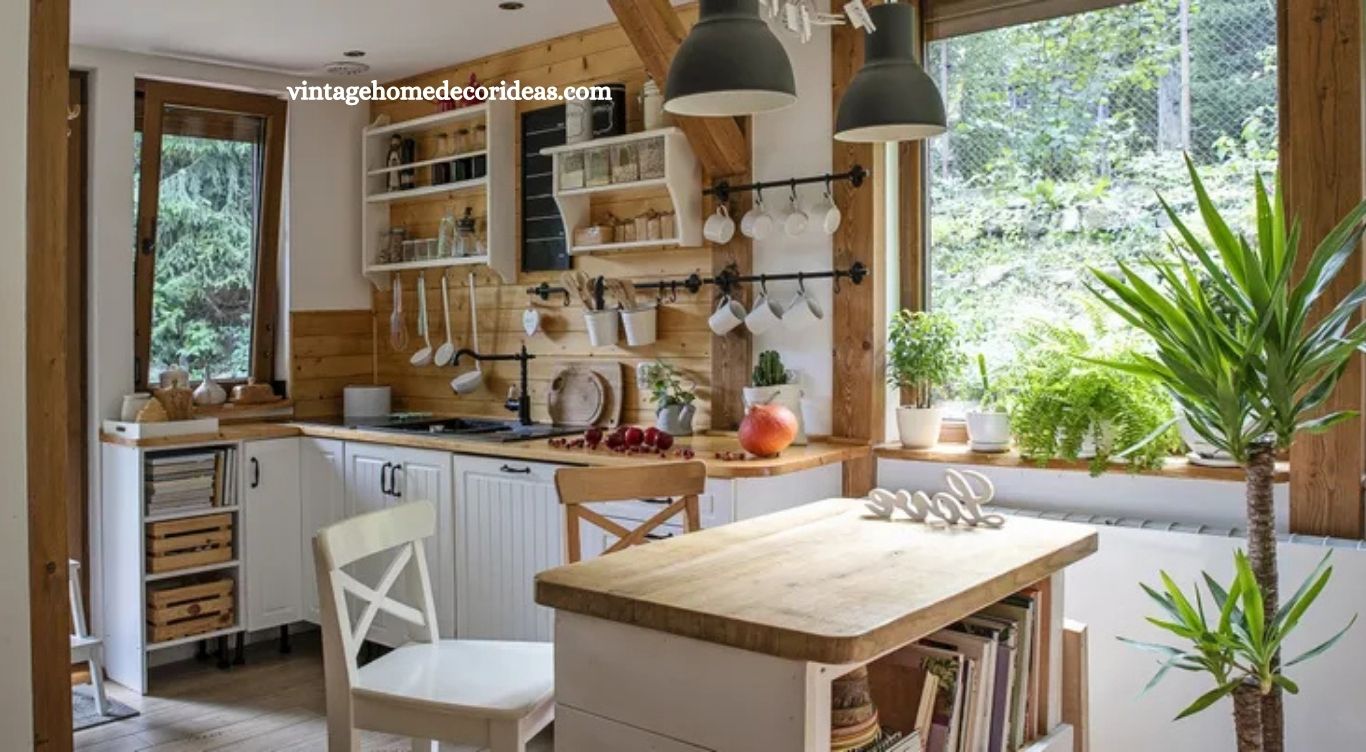
Kitchen design trends constantly evolve as homeowners look for spaces that feel comfortable, practical, stylish, and personal. A kitchen renovation is a major investment, so choosing an aesthetic that will remain appealing for years matters just as much as selecting appliances, cabinets, countertops, and flooring.
Many kitchen styles that dominated homes during the 1990s, 2000s, and even the past decade are beginning to lose their appeal in 2026. Homeowners are increasingly moving away from highly repetitive trends and toward warmer colors, natural materials, thoughtful storage, interesting textures, and personalized details.
Read More: 30 Cozy Farmhouse Bathroom Ideas for a Rustic-Chic Look
That does not necessarily mean every older kitchen needs a complete renovation. Many outdated elements can be refreshed rather than removed entirely. Understanding which trends are fading can help homeowners make smarter remodeling decisions and create kitchens that feel modern without becoming overly trend-driven.
All-White Kitchens Are Losing Their Appeal
For years, all-white kitchens represented clean, modern interior design. White cabinets, white countertops, pale backsplashes, and light flooring became extremely common because they made kitchens appear bright and spacious.
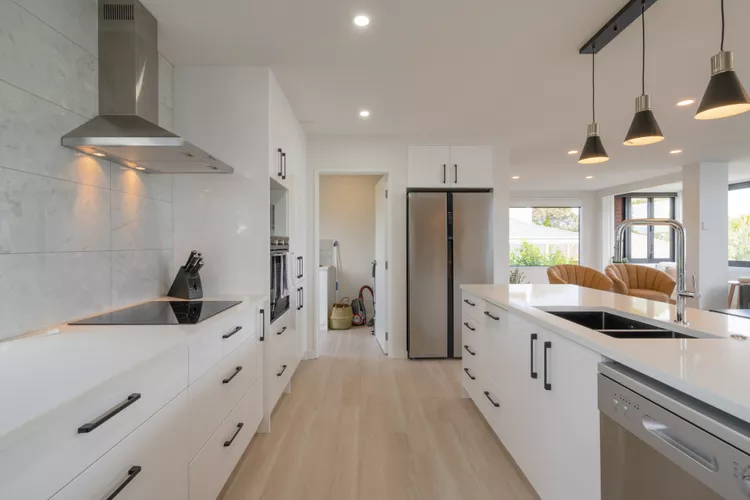
In 2026, however, completely white kitchens can feel somewhat sterile and predictable. Homeowners increasingly want their kitchens to show personality rather than resemble a showroom.
Color is returning through cabinetry, kitchen islands, backsplashes, rugs, lighting, and decorative accessories. Warm neutrals, earthy greens, muted blues, natural wood, and deeper accent shades can introduce character without making a kitchen feel overwhelming.
White itself has not disappeared from kitchen design. Instead, designers are using it more selectively. White upper cabinets might be paired with a natural wood island, for example, while neutral countertops can complement colorful cabinetry.
The goal is balance. Rather than relying on a single shade throughout the entire room, modern kitchens use contrasting materials and subtle variations in color to create depth.
Heavy Tuscan Kitchens Feel Too Busy
Tuscan-inspired kitchens were particularly popular during the early 2000s. These spaces often featured dark cabinetry, distressed finishes, decorative stone, ornate details, warm brown tones, heavy furniture, and elaborate architectural elements.
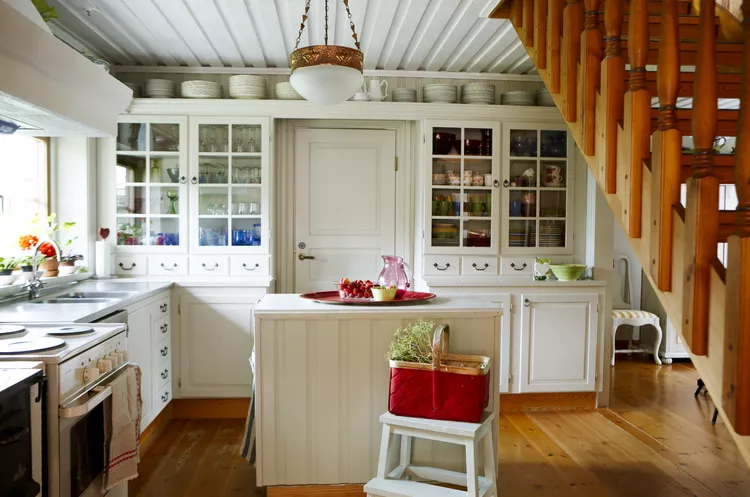
At the time, the aesthetic represented luxury and European-inspired elegance. Today, excessive Tuscan styling can make kitchens appear darker and busier than homeowners prefer.
Current kitchen design generally favors cleaner architectural details and better visual balance. Natural materials remain desirable, but they are usually presented more simply.
Homeowners who still appreciate Mediterranean or Italian influences do not necessarily need to abandon them. Instead of filling the kitchen with ornate finishes, they can introduce Mediterranean character through natural stone, handcrafted tile, warm wood, textured walls, or carefully selected lighting.
This updated approach maintains warmth and personality while creating a brighter, more relaxed environment.
Traditional 1990s Farmhouse Kitchens Look Dated
Farmhouse design has gone through several transformations. Traditional 1990s farmhouse kitchens commonly included orange-toned oak cabinets, decorative borders, patterned fabrics, country accessories, busy wallpaper, and numerous decorative objects.
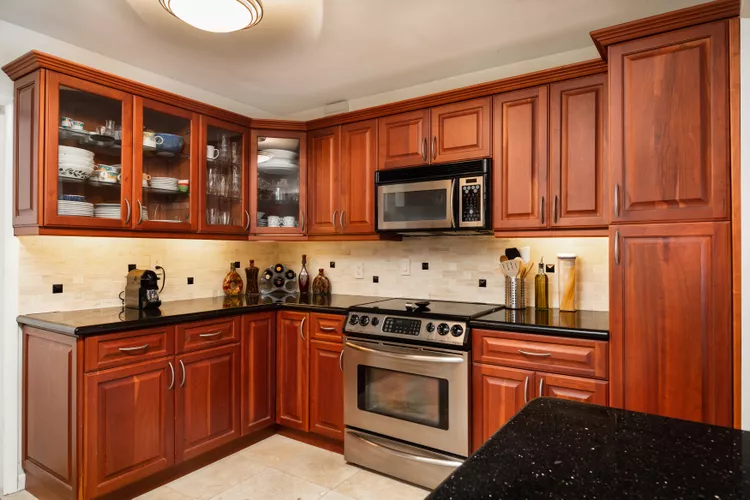
Although these kitchens often felt comfortable and welcoming, their heavily themed appearance can look dated in modern homes.
Today’s farmhouse-inspired kitchens are considerably more refined. Rather than filling every available surface with decorative pieces, designers are focusing on natural materials, practical layouts, warm colors, and subtle rustic details.
Modern farmhouse interiors may incorporate wooden beams, stone surfaces, handmade ceramics, natural textiles, aged metals, or warm wood cabinetry. These elements provide rustic character without making the space feel stuck in another decade.
The farmhouse concept itself is therefore not necessarily gone. The exaggerated country-style interpretation is what has become less desirable.
Too Much Open Shelving Can Become Impractical
Open shelving became one of the biggest kitchen trends of recent years. Removing upper cabinets and replacing them with floating shelves helped kitchens appear open, airy, and visually interesting.
Unfortunately, everyday living has revealed some disadvantages.
Open shelves constantly expose dishes, cookware, glasses, food containers, and other kitchen essentials. Items must remain carefully organized if homeowners want the room to look tidy. Shelves can also collect grease and dust, increasing cleaning requirements.
That does not mean open shelving has no place in a modern kitchen. A few strategically positioned shelves can provide an attractive location for frequently used dishes, plants, cookbooks, or decorative objects.
However, homeowners are increasingly combining display areas with concealed storage. Traditional cabinets, appliance garages, deep drawers, pantries, and glass-front cabinets offer practical alternatives.
Frosted or textured glass doors can provide another compromise. They maintain some visual lightness while hiding everyday clutter.
Modern kitchen storage focuses on making daily routines easier rather than sacrificing functionality purely for appearance.
Cherry Cabinets With Busy Granite Feel Stuck in the 2000s
Few kitchen combinations represent the early 2000s more clearly than reddish cherry cabinets paired with heavily patterned granite countertops.
Dark wood itself is making a noticeable return to interiors, but today’s approach is different. Deep walnut, natural brown, and sophisticated stained finishes can create warmth and richness without the strong red undertones associated with traditional cherry cabinetry.
Countertop preferences have also evolved. Highly patterned granite can visually compete with cabinets, flooring, backsplashes, and appliances. Modern kitchens often feature quieter surfaces that allow surrounding materials to stand out.
Quartz, quartzite, marble-inspired surfaces, natural stone, and other understated countertop materials can create a cleaner appearance.
Homeowners with existing cherry cabinets may not need to replace them immediately. Changing hardware, lighting, countertops, wall colors, and backsplashes can significantly update the overall appearance. In certain situations, refinishing cabinetry can also reduce strong reddish tones.
The objective is not necessarily to eliminate dark wood but to create a more balanced combination of materials.
Basic Subway Tile Backsplashes Feel Overused
Subway tile earned its popularity for good reasons. It is simple, affordable, easy to clean, and compatible with numerous interior styles. Unfortunately, widespread use has also made traditional subway tile backsplashes feel predictable.
Homeowners increasingly see the backsplash as an opportunity to add personality.
Handmade tiles, textured ceramics, natural stone, geometric patterns, larger-format tiles, and vertically installed designs can make a kitchen feel more distinctive. Even traditional rectangular tiles can look fresh when used with unusual layouts, interesting finishes, or contrasting grout.
Another increasingly popular approach involves extending countertop material onto the wall. A continuous stone backsplash can provide an elegant, cohesive appearance while reducing visual clutter.
Subway tile itself is not inherently unattractive or unusable. The issue is relying on the most basic version without considering whether another material could better complement the home’s architecture and personality.
What Modern Kitchens Look Like in 2026
The biggest shift in kitchen design is not simply moving from one trend to another. Homeowners are becoming more interested in creating spaces that reflect how they actually live.
Modern kitchens increasingly combine functionality with warmth. Natural wood, stone, layered lighting, concealed storage, comfortable seating, durable materials, and carefully chosen colors help create spaces that feel inviting rather than overly designed.
Personalization has also become increasingly important. Instead of copying a complete kitchen from social media or a showroom, homeowners can select individual elements that work together while reflecting their preferences.
Practicality remains equally important. Beautiful cabinetry means little if storage is inadequate, while an impressive island becomes frustrating when it interrupts movement through the kitchen. Successful remodeling requires balancing appearance, storage, maintenance, durability, and everyday convenience.
How to Update an Outdated Kitchen Without a Complete Remodel
A dated kitchen does not always require demolition. Strategic improvements can dramatically change its appearance while keeping renovation costs manageable.
Updating cabinet hardware and lighting can immediately create a more contemporary feel. Painting walls, replacing an old backsplash, refinishing cabinetry, introducing a runner, or changing window treatments can also modernize the space.
Homeowners should identify which features make their kitchen feel dated before replacing everything. If cabinets remain structurally sound, changing surrounding materials may be enough. Similarly, good-quality countertops might work perfectly once outdated cabinetry or wall colors are updated.
Taking a selective approach can preserve useful materials, reduce unnecessary expenses, and prevent homeowners from replacing one temporary trend with another.
Frequently Asked Questions
What kitchen trends are outdated in 2026?
All-white kitchens, heavy Tuscan designs, excessive open shelving, cherry cabinets, busy granite, and basic subway tiles feel increasingly dated.
Are all-white kitchens out of style in 2026?
Completely white kitchens are declining as homeowners prefer warmer colors, natural textures, wood accents, and more personalized design choices.
Is farmhouse kitchen style outdated?
Traditional farmhouse kitchens can look dated, but modern farmhouse designs using natural materials, warmer tones, and simpler details remain popular.
Is open shelving still popular in kitchens?
Open shelving is still used selectively, but many homeowners prefer enclosed cabinets because they provide easier organization and require less cleaning.
Are cherry wood kitchen cabinets outdated?
Red-toned cherry cabinets can appear dated, while deeper natural wood finishes and softer brown tones offer a more contemporary appearance.
Are subway tile backsplashes out of style?
Basic subway tile can feel overused, although creative layouts, textured finishes, handmade variations, and unusual patterns can make it look modern.
How can I modernize an outdated kitchen?
Update lighting, hardware, backsplashes, cabinet finishes, countertops, and colors while improving storage and incorporating warmer, natural materials.
Conclusion
Kitchen design in 2026 is shifting toward warmer, more personal, and functional spaces. Once-popular trends such as all-white kitchens, heavy Tuscan details, traditional farmhouse décor, excessive open shelving, cherry cabinets, and basic subway tiles are gradually losing appeal. Instead of following temporary trends, focus on timeless materials, practical storage, natural textures, and colors that complement your home.

1 Comment
Pingback: Cozy Sunken Living Room in a Buenos Aires Home - Vintage Home Decor