

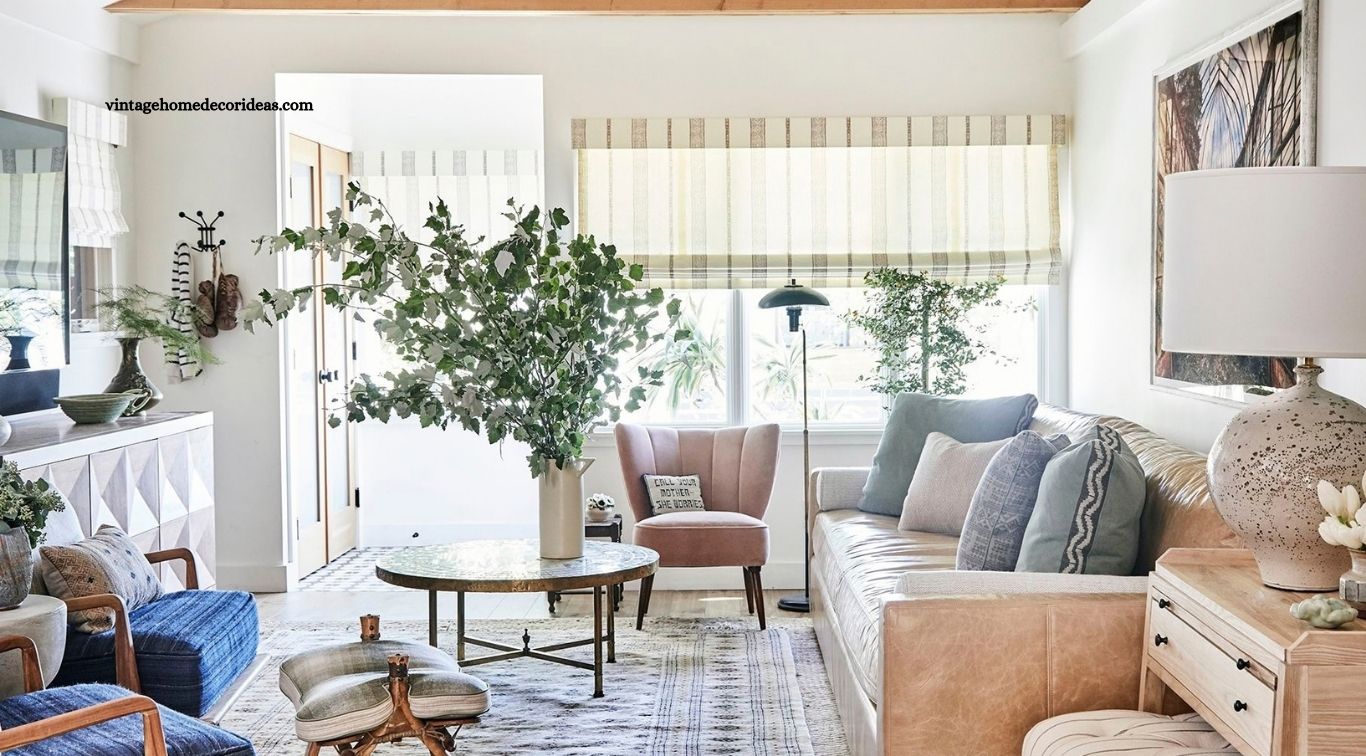
Small cottage homes have a special charm, but decorating limited spaces can sometimes feel challenging. Too much furniture, dark colors, or excessive decoration can quickly make rooms appear smaller. The right cottage-style choices, however, can create a warm interior that feels open, comfortable, and inviting.
Cottage style works especially well in compact homes because it naturally combines simplicity, natural materials, soft colors, and practical furniture. By choosing pieces carefully and making better use of light and storage, even a small room can feel significantly larger without losing its cozy personality.
Read More: Best Cottage Style Decor Ideas for a Cozy Vintage Look
Choose Soft Neutral Colors
Soft neutral colors can make a small cottage room appear brighter and more spacious. Shades such as warm white, cream, beige, light gray, and pale taupe reflect available light and create a calm visual background.
Neutral walls also provide flexibility when adding cottage-style furniture and accessories. Instead of making every surface colorful, use gentle tones as the foundation and introduce character through fabrics, wood, artwork, and small decorative details.
Use Light Wood Furniture
Light-colored wood can bring warmth to a cottage interior without making the room feel visually heavy. Oak, pine, ash, and similarly pale finishes can create a natural appearance while maintaining a bright atmosphere.
Choose furniture with simple shapes and relatively slim profiles. A lightweight wooden table, narrow console, or compact chair can provide useful function while leaving more visible floor area around the room.
Let Natural Light Take Center Stage
Natural light is one of the easiest ways to make a small cottage feel larger. Keep windows as unobstructed as possible and avoid placing tall furniture directly in front of them.
Light curtains made from linen or other airy fabrics can provide privacy without blocking too much daylight. Positioning mirrors near windows can also help distribute available light throughout the room and create a stronger sense of openness.
Add Mirrors Strategically
Mirrors can create the visual impression of additional space by reflecting light and surrounding surfaces. A large mirror positioned opposite a window can make a compact room appear brighter and deeper.
Cottage-style mirrors do not have to look modern or overly polished. A simple wooden frame, vintage-style finish, or softly distressed design can complement the relaxed character of a cottage interior while providing a useful visual trick.
Pick Furniture With Exposed Legs
Furniture with visible legs can make more of the floor visible, helping a small room feel less crowded. Sofas, chairs, benches, and cabinets raised slightly above the floor can create a lighter appearance.
This approach works particularly well in living rooms and bedrooms where large furniture pieces can dominate the space. Avoid filling every corner with solid furniture that extends all the way to the floor, especially when the room already has limited floor area.
Use Built-In Storage
Built-in storage can make excellent use of awkward corners and unused wall space. Shelving, cabinets, window seats, and compact wardrobes can provide storage without taking up as much usable floor area as separate furniture pieces.
For a cottage-inspired look, built-ins can feature painted wood, simple paneling, open shelves, or traditional hardware. Keeping frequently used items organized inside or on carefully styled shelves can prevent visual clutter from making the room feel smaller.
Keep Cottage Patterns Under Control
Florals, checks, stripes, and botanical prints are popular elements of cottage style, but using too many patterns can overwhelm a small room. Choose one main pattern and support it with quieter fabrics and solid colors.
A floral cushion, checked curtain, or patterned armchair can provide personality without covering every surface. Keeping the pattern palette coordinated creates the charming cottage feeling while maintaining visual calm.
Use Vertical Space
When floor space is limited, look upward. Tall shelving, vertical artwork, narrow cabinets, and floor-to-ceiling curtains can draw the eye upward and make ceilings appear higher.
Vertical storage is also practical because it uses wall space instead of valuable floor area. In a small cottage kitchen, bedroom, or home office, carefully positioned shelves can provide additional storage without making the room feel crowded.
Choose Multi-Functional Furniture
Furniture that serves more than one purpose is particularly useful in small cottages. An ottoman can provide seating and hidden storage, while a bench can function as both seating and a place to store blankets or other household items.
A small dining table that doubles as a workspace can also make a compact room more flexible. Instead of filling the home with furniture for individual activities, select pieces that can adapt to different needs throughout the day.
Keep the Floor Area Visible
Visible floor space can make a room feel larger, so avoid unnecessary furniture that blocks movement. A clear pathway between major areas creates a more open visual layout and makes the room easier to use.
Area rugs can still add warmth and cottage character, but choose proportions carefully. A rug that is too large or visually busy can make a compact room feel enclosed, while an appropriately sized design can define an area without overwhelming it.
Use Glass and Open Shelving
Glass-front cabinets and open shelving can create a lighter visual effect than completely solid storage. They allow the eye to see through or beyond the furniture, helping the room maintain a sense of depth.
Open shelves should not become storage for every household item. Display only useful or attractive pieces and leave some space between objects. This balance preserves the relaxed cottage aesthetic without creating unnecessary visual clutter.
Create a Simple Cottage Kitchen
Small cottage kitchens can feel spacious when cabinets, counters, and appliances are arranged carefully. Light cabinet colors, open shelving, natural wood accents, and simple hardware can create a welcoming atmosphere without making the kitchen visually heavy.
Keep countertops as clear as possible by storing frequently used appliances selectively. A few carefully chosen items can provide cottage charm, while excessive objects on every surface can quickly make a small kitchen appear crowded.
Make Small Bedrooms Feel Airier
A small cottage bedroom benefits from simple bedding, light colors, and furniture that does not overwhelm the available space. A low-profile bed, compact bedside table, and slim storage solution can leave more room around the sleeping area.
Soft textiles can still create a cozy atmosphere without making the room feel enclosed. Layer lightweight blankets, natural fabrics, and subtle patterns rather than using too many bulky accessories or oversized furniture pieces.
Use Consistent Materials Throughout the Home
Repeating similar materials and colors across different rooms can create a stronger sense of continuity. Light wood, natural fabrics, soft paint colors, and simple metal details can connect the living room, kitchen, bedroom, and hallway.
A consistent palette also reduces visual interruptions. When every room uses completely different colors and materials, a small home can feel fragmented. Coordinated cottage details allow the entire space to feel more connected and spacious.
Declutter Without Losing Character
Cottage style is often associated with cozy details, vintage finds, books, artwork, plants, and decorative objects. However, a small home needs careful editing to prevent these charming elements from becoming clutter.
Keep the pieces that have genuine practical or emotional value and give them enough space to stand out. A few carefully selected decorations can create more personality than a room filled with small objects, while maintaining open surfaces makes the entire cottage feel larger.
How to Make Cottage Style Work in a Small Home
The secret to successful small cottage decorating is balancing comfort with visual simplicity. Natural textures, warm colors, vintage-inspired details, and soft fabrics can create the cozy atmosphere associated with cottage interiors without requiring excessive furniture or decoration.
Think about how each item affects the room as a whole. Furniture should support movement, storage should reduce clutter, and decorative elements should add character without competing for attention. This approach allows a small cottage to feel both charming and surprisingly spacious.
Frequently Asked Questions
What colors make a small cottage look bigger?
Soft white, cream, beige, pale gray, and other light neutral shades can make a small cottage feel brighter and more spacious.
Is cottage style suitable for small homes?
Yes. Cottage style works well in small homes because natural materials, soft colors, simple furniture, and cozy details can create warmth without requiring a large space.
How can I make a small cottage living room look bigger?
Use light colors, furniture with exposed legs, mirrors, simple patterns, and clear walking areas. Avoid filling the room with oversized furniture and unnecessary decorations.
Does cottage-style furniture make a room look smaller?
It can if the furniture is oversized or too numerous. Choosing compact pieces with lighter finishes and visible legs can preserve the cottage look while maintaining an open feeling.
How can I add cottage charm without creating clutter?
Use a few carefully selected pieces such as floral cushions, wooden accents, vintage artwork, plants, or simple ceramics. Leave enough space around decorations to keep the room visually calm.
What is the best way to create storage in a small cottage?
Built-in cabinets, vertical shelving, storage benches, ottomans, and multi-functional furniture can provide useful storage while reducing the amount of floor space occupied by separate pieces.
Conclusion
Small cottage homes can feel much larger when decoration focuses on light, proportion, storage, and simplicity. Soft colors, light wood, mirrors, exposed furniture legs, built-in storage, vertical elements, and carefully selected patterns can all improve the visual sense of space. The goal is not to remove the cozy personality that makes cottage style appealing. Instead, choose fewer but more useful pieces, keep important areas visually open, and allow natural light and thoughtful design to do the work.

1 Comment
Pingback: Cottage Style Living Room Ideas for a Relaxed Vintage Home - Vintage Home Decor