

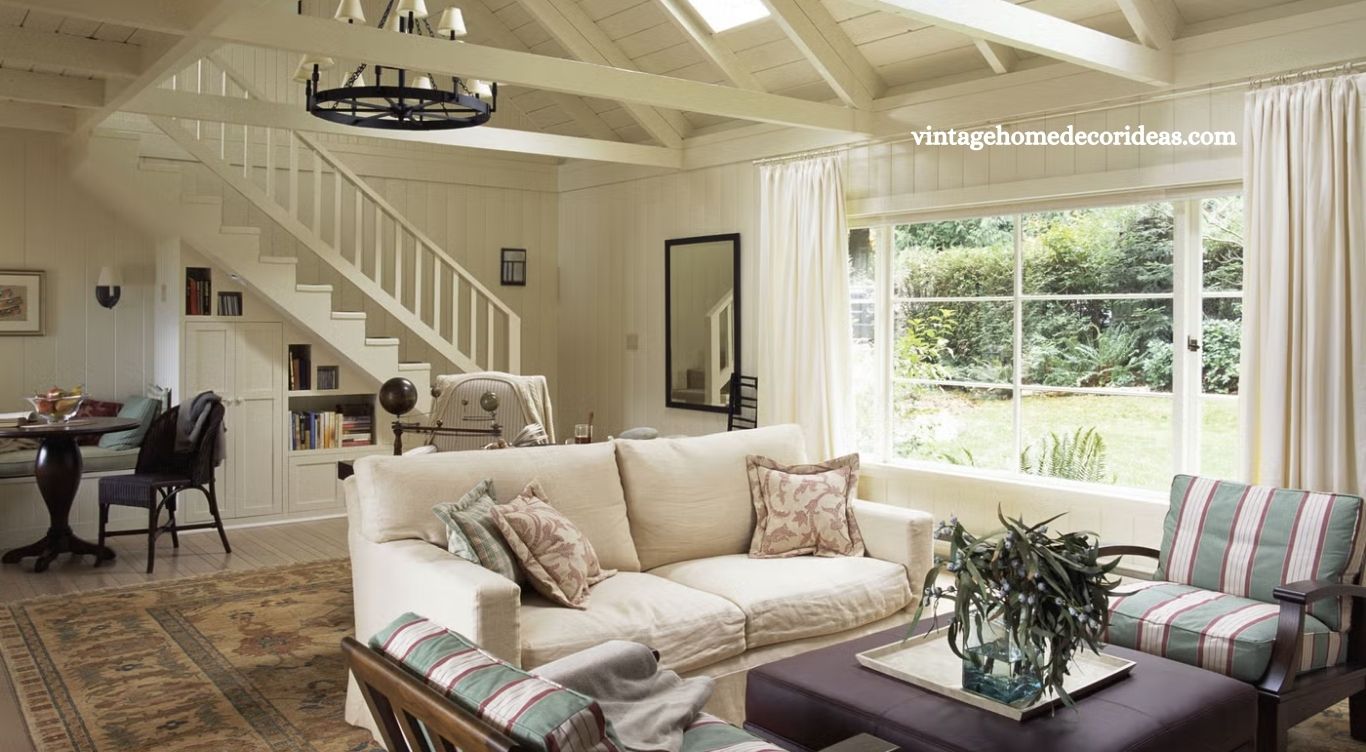
Farmhouse style has been one of the most recognizable interior design trends of the past decade. White shiplap walls, barn doors, exposed wooden beams, neutral furniture, and cozy textures have appeared in countless homes, magazines, and social media posts. The style became popular for its welcoming appearance and its ability to create a comfortable, relaxed atmosphere.
However, the farmhouse aesthetic may finally be entering a new chapter. Designers are increasingly moving away from highly predictable farmhouse elements and looking toward interiors that feel more personal, layered, and authentic. Rather than completely disappearing, farmhouse style is being reimagined with richer colors, natural materials, vintage details and a stronger sense of individuality.
Why Is Farmhouse Style Losing Popularity?
One of the biggest problems with farmhouse design is not the style itself, but how frequently it has been replicated. When a design becomes extremely common, its distinctive qualities can begin to disappear.
Designer Jeanne Barber of Camden Grace Interiors points out that farmhouse design has often been removed from its original context and applied to homes that do not naturally suit the aesthetic. White exteriors, black-framed windows, shiplap and rustic details have become common even in urban neighborhoods where traditional farmhouse architecture may feel out of place.
Read More: 10 Cozy Cottagecore Kitchens Full of Vintage Charm
Farmhouse design originally developed around practicality, simplicity, and the character of rural homes. When those elements are reproduced purely as decorative features, the result can feel more like a theme than an authentic design approach.
This widespread repetition has caused some homeowners and designers to look for something different. The desire for individuality is becoming increasingly important as people seek homes that reflect their personalities instead of following a formula.
The Influence of Popular Culture
Farmhouse style received a major boost through home renovation television and social media. Designers such as Chip and Joanna Gaines helped introduce the aesthetic to a huge audience, making rustic-modern farmhouse interiors highly desirable.
Retailers quickly responded to the demand. Home decor stores began offering shiplap-inspired products, distressed furniture, rustic signs, neutral accessories,s and other farmhouse-inspired pieces.
The result was an enormous increase in farmhouse-inspired homes. What initially felt fresh and distinctive gradually became familiar.
Designer Ruthie Staalesen explains that farmhouse style remained popular longer than many other decorating trends, partly because it was accessible and easy to reproduce. Yet that accessibility eventually became one of its weaknesses.
When similar design elements appear in house after house, homeowners may begin searching for alternatives that provide more character and originality.
The Problem With Overused Farmhouse Features
Certain design elements have become almost synonymous with modern farmhouse interiors. Shiplap, barn doors, distressed finishes, gray sofas, white walls, ls and black accents are among the most recognizable examples.
These features are not necessarily bad choices individually. The issue arises when they are combined repeatedly without considering the architecture or personality of the home.
Elizabeth Cross-Bear of Palm Henri Interiors notes that excessive use of shiplap and forced white-and-black exterior combinations can remove character from a home. New construction has particularly embraced these combinations, making them increasingly predictable.
Kristina Lawrence similarly describes farmhouse design as a timeless classic while questioning the endless repetition of gray upholstery, painted shiplap and generic decorative signs.
A home filled with identical neutral elements can begin to feel flat rather than warm. The original farmhouse appeal came from texture, practicality, and lived-in character. Reproducing the visual formula without those qualities can make the space feel staged.
Farmhouse Style Does Not Have to Disappear
Despite growing criticism, designers are not necessarily calling for farmhouse style to disappear completely. Instead, they are encouraging homeowners to reinterpret it.
The strongest approach is to keep the elements that genuinely appeal to you while removing unnecessary trend-driven details. Natural wood, vintage furniture, handmade accessories and rustic textures can still work beautifully in contemporary interiors.
Color is another effective way to refresh farmhouse design. Instead of relying exclusively on white, gray and beige, homeowners can introduce earthy greens, warm browns, muted blues, terracotta shades or deeper accent colors.
These tones can create a more inviting atmosphere while maintaining the relaxed quality associated with farmhouse interiors.
Add Warmth Through Natural Materials
Natural materials can help farmhouse-inspired spaces feel authentic rather than overly designed. Wood is particularly effective because it adds warmth, textur,e and visual depth.
Instead of covering every surface with painted wood, consider allowing the natural grain to remain visible. Reclaimed wood furniture, exposed beams, woven materials and stone surfaces can introduce subtle rustic character without making the room feel like a farmhouse showroom.
Metal accents can also contribute to the look. Aged brass, bronze, and other deeper metallic finishes can provide contrast against lighter walls and furniture.
The goal is balance. Combining different materials creates a layered environment that feels collected rather than purchased as a matching set.
Choose Personality Over Trends
Modern interior design is increasingly moving toward spaces that tell a story. Instead of buying every item from the same collection, homeowners are mixing furniture and accessories from different periods and styles.
Staalesen recommends choosing pieces that genuinely speak to you instead of constantly following the latest trend. A well-designed home does not need to look identical to an interior featured on social media.
Personal photographs, vintage finds, handmade pieces, travel souvenirs,s and inherited furniture can make a room feel much more meaningful.
This philosophy also makes interiors more adaptable. Trends can change quickly, but furniture and decorative pieces with personal significance can remain valuable for many years.
Moving Toward Layered and Collected Interiors
Lauren Sullivan of Well by Design believes the future of interiors is moving away from heavily themed spaces. Instead of relying on obvious farmhouse elements such as barn doors and distressed finishes, designers are creating homes that appear to have evolved naturally over time.
Layered interiors combine modern and traditional pieces, different textures, natural materials and carefully selected accessories. The result is a home that feels sophisticated without appearing overly coordinated.
This shift also connects with the growing interest in craftsmanship and quiet luxury. Rather than filling rooms with decorative items simply because they are fashionable, homeowners are increasingly investing in quality materials and timeless pieces.
A handcrafted wooden tablea , beautifully made chair, ora vintage cabinet can often provide more visual impact than an entire collection of trendy accessories.
How to Create a Modern Farmhouse Look
Homeowners who still love farmhouse style can easily update the aesthetic without abandoning it completely. Start by removing decorative elements that feel overly predictable or generic.
Keep natural wood, comfortable furniture, and rustic textures, but introduce more variation through color and materials. Replace excessive gray with warmer neutrals and earthy shades. Mix contemporary lighting with traditional furniture, or combine vintage accessories with modern architectural details.
Authenticity should remain the guiding principle. A farmhouse-inspired home does not need to contain every popular farmhouse feature. A few carefully selected elements can create the desired atmosphere without overwhelming the room.
Frequently asked Questions
Is farmhouse style going out of style?
Farmhouse style is evolving rather than disappearing, with designers favoring more personal, layered, and sophisticated interpretations.
Why is farmhouse decor becoming less popular?
Overuse of shiplap, gray furniture, white walls, barn doors, and generic rustic accessories has made traditional farmhouse interiors feel repetitive.
Can farmhouse style still look modern?
Yes. Combining natural wood, warm colors, contemporary furniture, textured fabrics, and carefully selected vintage pieces can create a modern farmhouse look.
What colors work well with modern farmhouse design?
Warm neutrals, earthy greens, muted blues, terracotta, brown, and deeper accent shades can add warmth and personality to farmhouse interiors.
Is shiplap still popular in interior design?
Shiplap can still work, but designers recommend using it selectively rather than covering large areas or using it as a default farmhouse feature.
How can I update an outdated farmhouse interior?
Replace excessive gray and white with warmer colors, introduce natural materials, remove generic decor, and mix modern and vintage furnishings.
What is replacing traditional farmhouse style?
Layered, collected interiors that combine modern and traditional elements, natural textures, craftsmanship, and personal decor are becoming increasingly popular.
Conclusion
Farmhouse style may no longer dominate interior design, but its core appeal remains relevant. Warmth, natural materials, comfort, and simplicity can still create beautiful spaces when used thoughtfully. The latest design direction focuses on personal character, richer colors, layered textures, and timeless pieces rather than predictable farmhouse trends. Instead of abandoning the style completely, homeowners can refresh it to create interiors that feel authentic, comfortable, and uniquely their own.

1 Comment
Pingback: Petaluma Farmhouse Sells for Over $3.3 Million After Major Renovation - Vintage Home Decor