

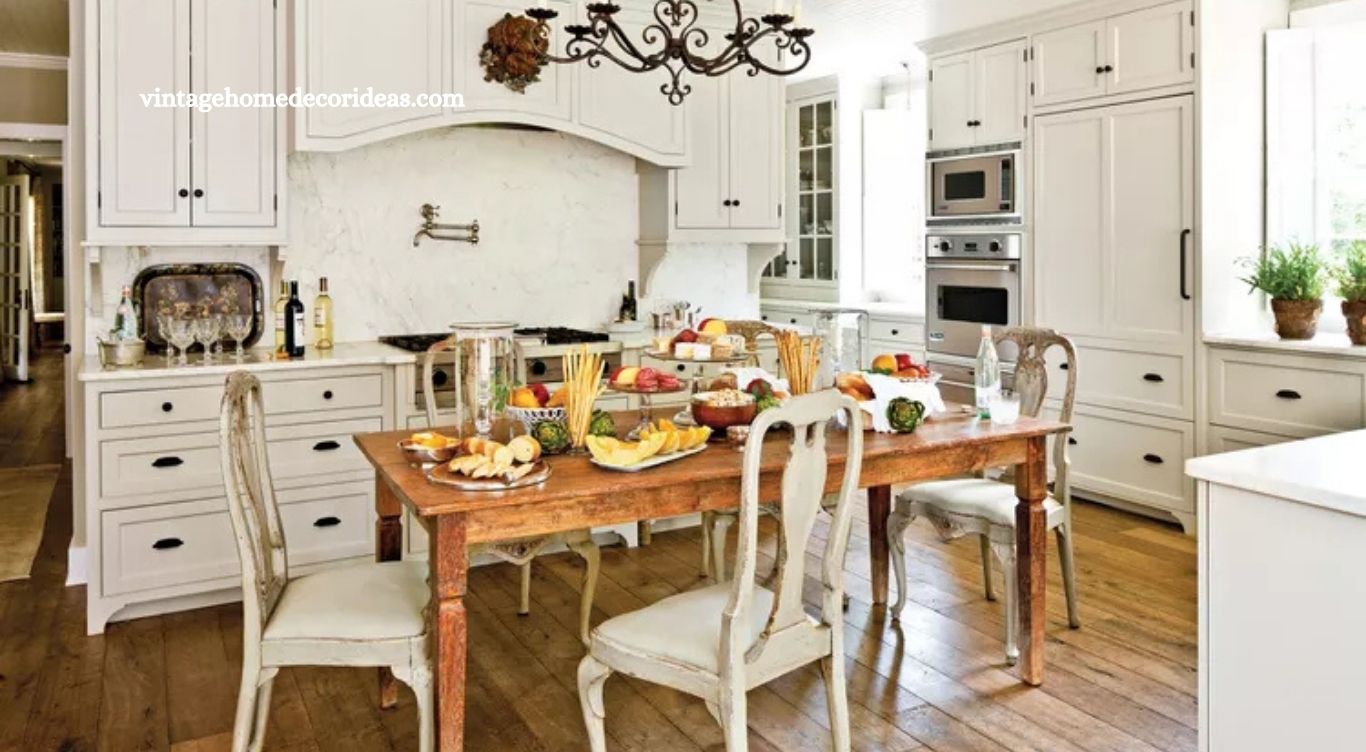
Rustic home decor celebrates natural beauty, warmth, comfort, and character. Rather than focusing on perfectly polished furniture or flawless finishes, rustic interiors welcome aged wood, weathered surfaces, earthy colors, natural fabrics, and vintage details. These elements work together to create rooms that feel comfortable, inviting, and connected with nature.
Rustic design also offers plenty of flexibility. Farmhouse, cottage, coastal, mountain cabin, and Tuscan interiors can all incorporate rustic influences. Whether you want a complete country-inspired transformation or simply want to introduce a few cozy details, thoughtful materials, textures, colors, and accessories can bring rustic charm into almost any home.
Read More: 12 Smart Open Storage Ideas to Keep Clutter Away
Create a Warm Neutral Foundation
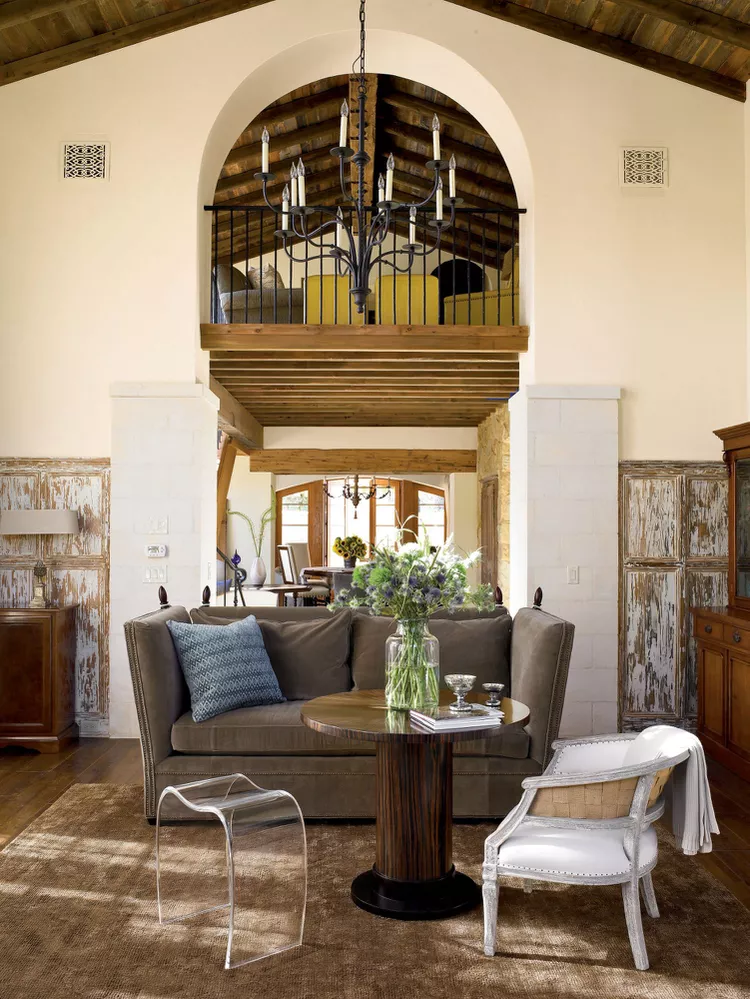
Neutral colors provide an excellent starting point for rustic interiors. Warm beige, cream, soft brown, taupe, and muted gray create a calm backdrop while allowing wood, stone, metal, and decorative accessories to stand out.
Instead of relying heavily on bright whites or dramatic colors, choose softer shades with warm undertones. These colors help rooms feel relaxed and welcoming while supporting the natural character associated with rustic design.
Bring Natural Materials Indoors
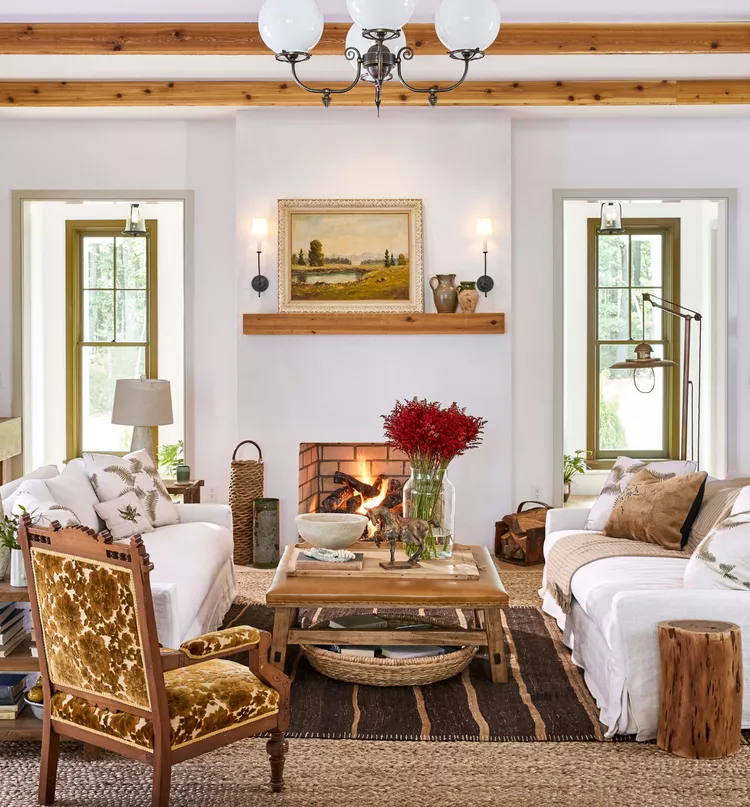
Natural materials form the heart of rustic home decor. Wood, stone, bamboo, rattan, linen, cotton, clay, and metal can introduce organic character throughout a home.
Wooden furniture, woven baskets, stone surfaces, handmade pottery, and natural fabrics create visual warmth without making a room feel overly decorated. Even small additions, such as a wooden side table or wicker basket, can strengthen the rustic atmosphere.
Mix Vintage Pieces With Modern Furniture
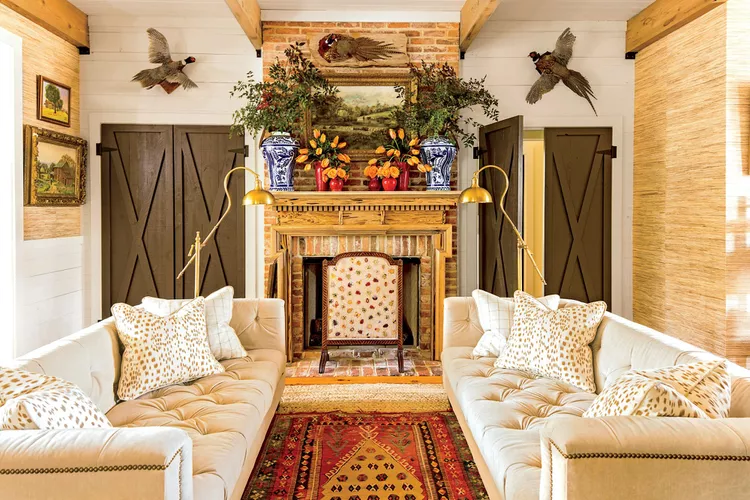
A rustic home does not need to look completely old-fashioned. Combining vintage pieces with contemporary furniture creates a more balanced and interesting interior.
An antique cabinet can sit beside a modern sofa, while an aged wooden dining table can work beautifully with simple contemporary chairs. Vintage mirrors, pottery, clocks, artwork, and storage pieces can also add history and personality.
The goal is to create a collected appearance rather than making every item look perfectly matched.
Add Character With Barn Doors
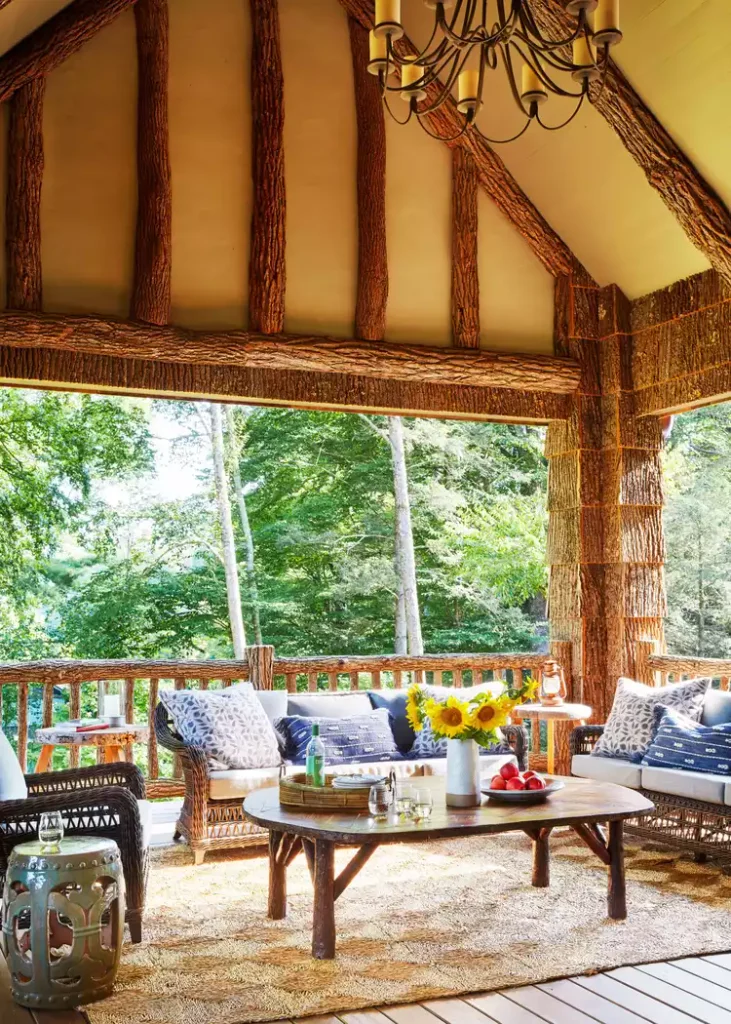
Barn-style doors have become a recognizable feature of farmhouse and rustic interiors. Their wooden construction, visible hardware, and practical sliding design can add architectural interest without requiring excessive decoration.
Barn doors work particularly well for bedrooms, pantries, home offices, closets, and living areas. Natural or lightly distressed wood delivers traditional character, while painted finishes can provide a softer farmhouse appearance.
Layer Different Textures
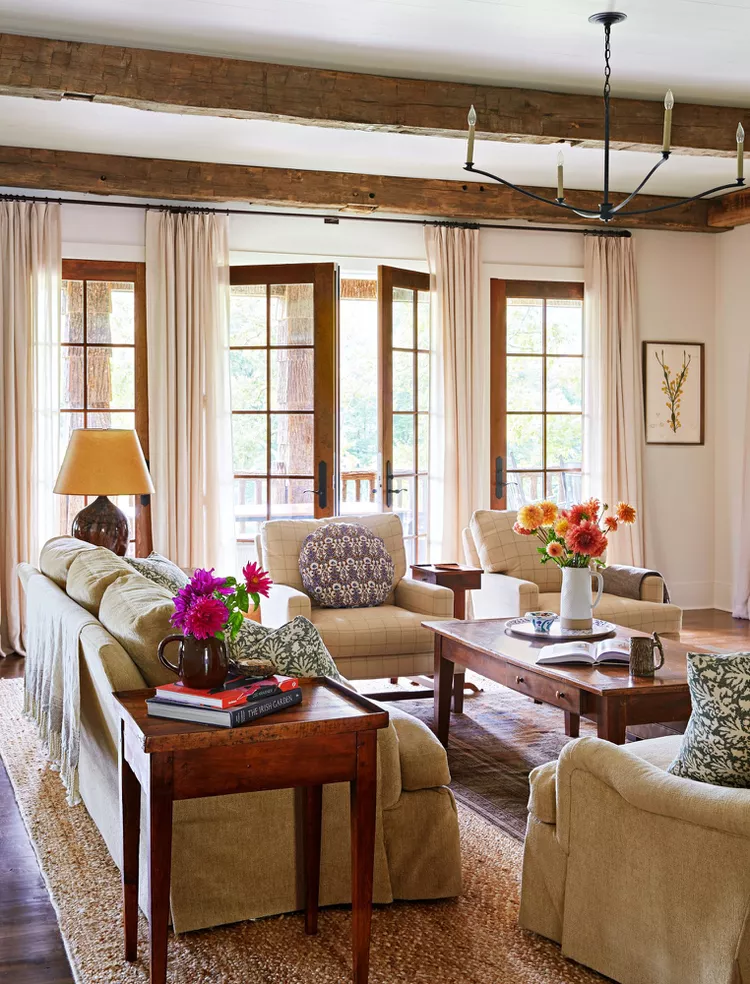
Texture prevents neutral rustic interiors from appearing flat or lifeless. Combining several materials gives a room greater depth while maintaining a comfortable atmosphere.
Consider mixing chunky knitted blankets, linen curtains, woven rugs, leather furniture, wooden surfaces, rattan baskets, and cotton cushions. Patterns such as plaid and tartan can add another layer of warmth, especially in bedrooms and living rooms.
Decorate With Earthy Colors
Earth tones naturally complement rustic materials. Forest green, olive, warm brown, clay, tan, muted orange, and soft beige can create a peaceful connection with outdoor surroundings.
These shades can appear through wall paint, furniture, rugs, cushions, curtains, pottery, and artwork. You do not need to use every earthy shade together. A carefully selected palette of two or three complementary colors can create a more cohesive result.
Make Natural Light Part of the Design

Natural sunlight can transform rustic interiors by highlighting wood grains, textured fabrics, stone surfaces, and warm colors. Keep windows visually open whenever privacy allows.
Lightweight curtains and café curtains are useful choices because they soften incoming sunlight without completely blocking it. Mirrors can also reflect natural light throughout darker areas, helping smaller rooms feel brighter and more spacious.
Create a Cozy Rustic Kitchen
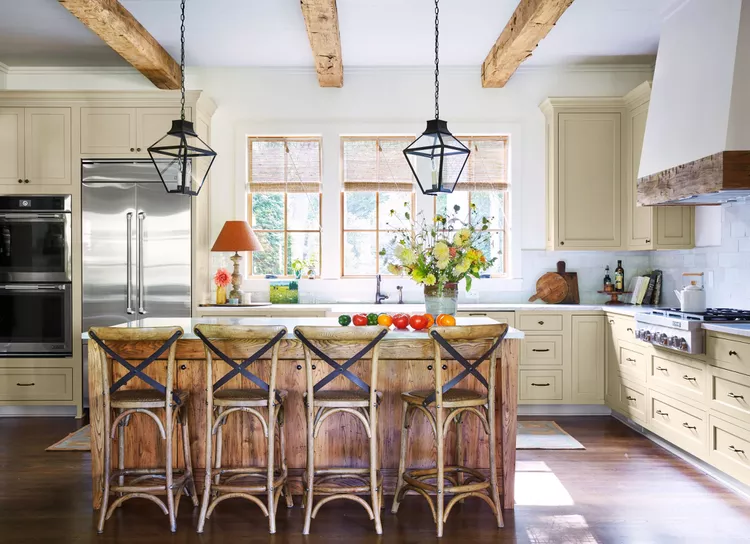
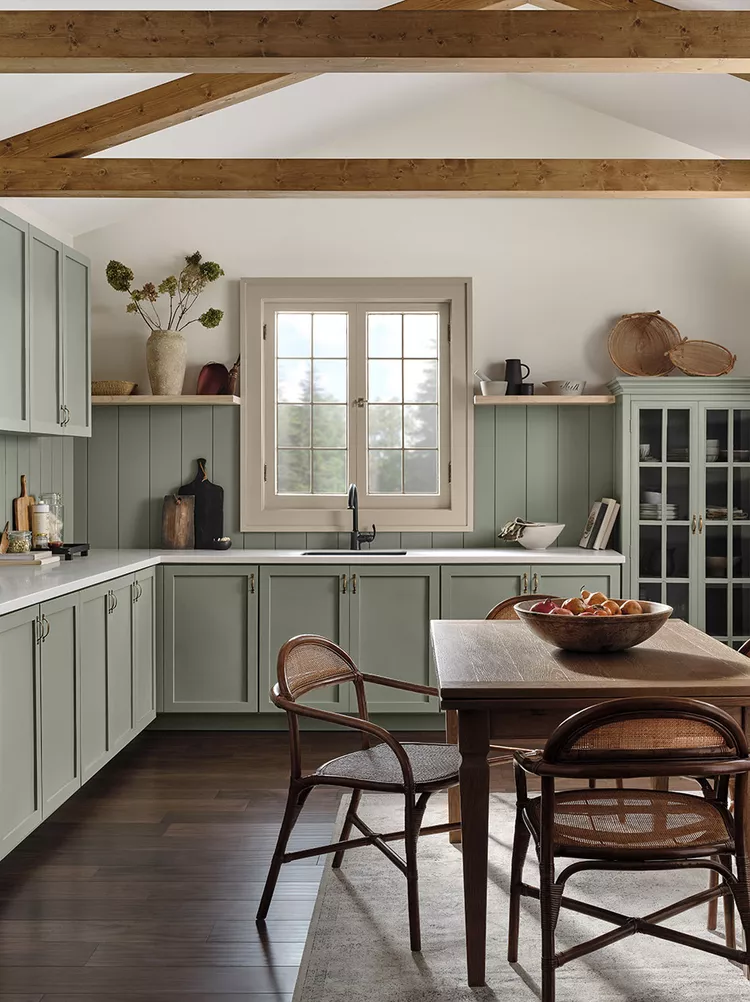
The kitchen provides plenty of opportunities to introduce rustic character while maintaining modern functionality. Wooden cabinets, open shelving, stone countertops, warm paint colors, vintage accessories, and exposed ceiling beams can all support the look.
A farmhouse sink can become a beautiful focal point. Traditional apron-front designs work particularly well alongside wooden cabinetry, brass fixtures, stone counters, or classic tiles.
Modern appliances do not need to disappear. Combining contemporary technology with traditional materials can create a kitchen that feels practical, comfortable, and timeless.
Display Everyday Kitchen Essentials
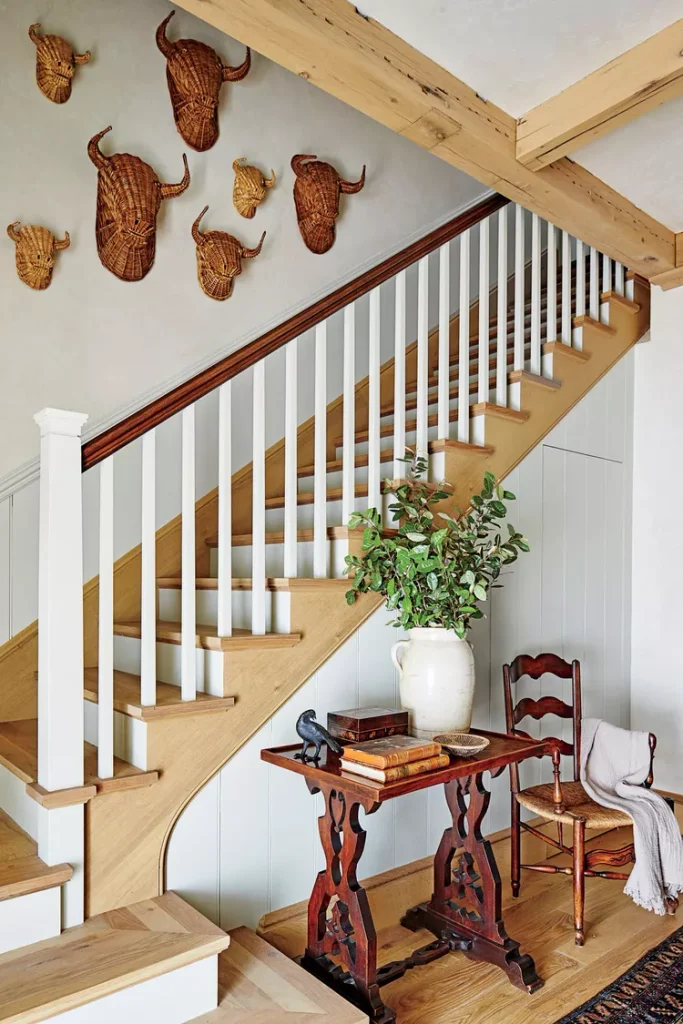
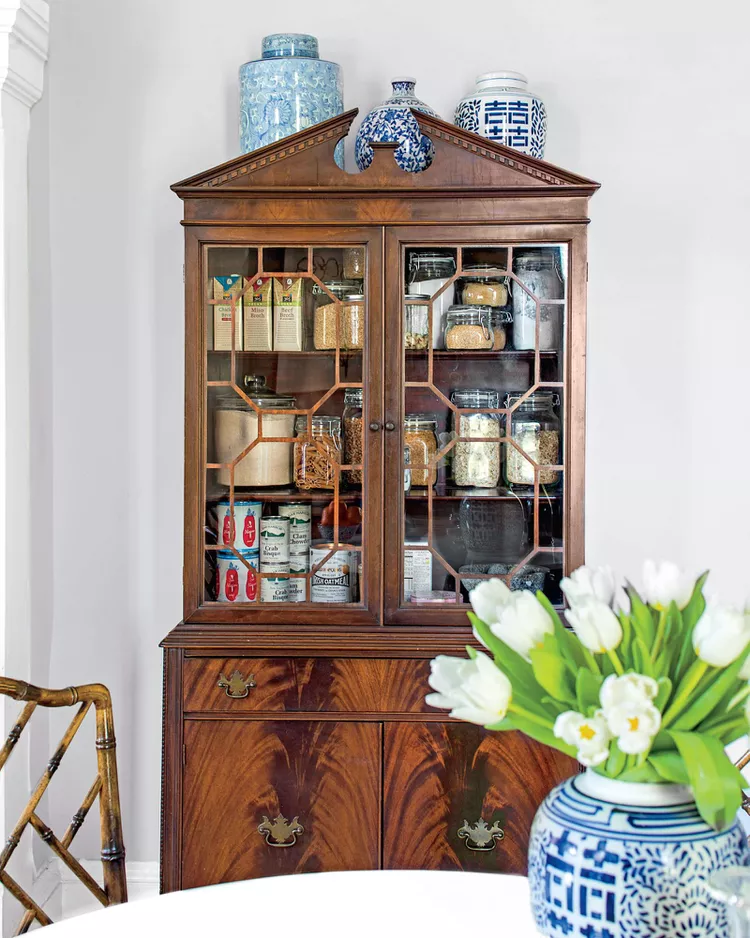
Useful kitchen items can double as rustic decorations. Glass jars filled with pasta, rice, flour, cereal, sugar, or spices can make shelves feel organized and attractive.
Wooden cutting boards are another easy decorative feature. Instead of hiding them inside cabinets, group boards of different shapes and sizes against a backsplash.
Copper cookware and cast-iron pans can also become part of the room’s visual design. Hanging cookware above an island or near a cooking area adds practical storage while creating traditional country charm.
Use Open Shelving Carefully
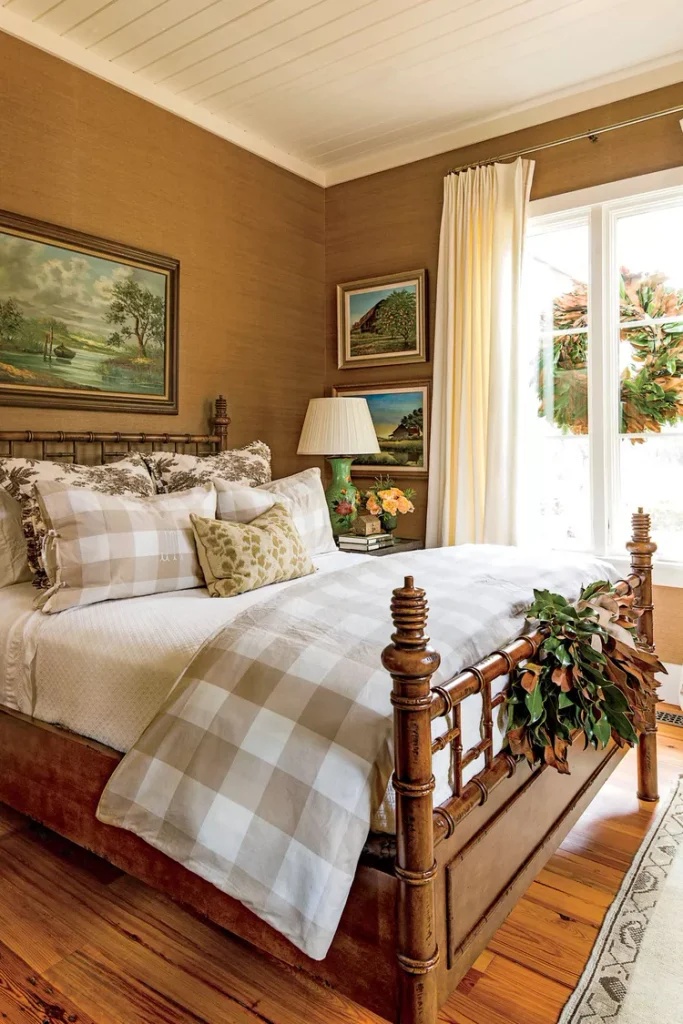
Open shelving can beautifully showcase dishes, pottery, glassware, cookbooks, jars, and decorative objects. Wooden shelves are especially effective in farmhouse and cottage-inspired kitchens.
However, open storage works best when it remains organized. Avoid overcrowding every available surface. Leaving some space between objects helps individual pieces stand out while keeping the overall room visually calm.
Add Rustic Charm With Wood Beams
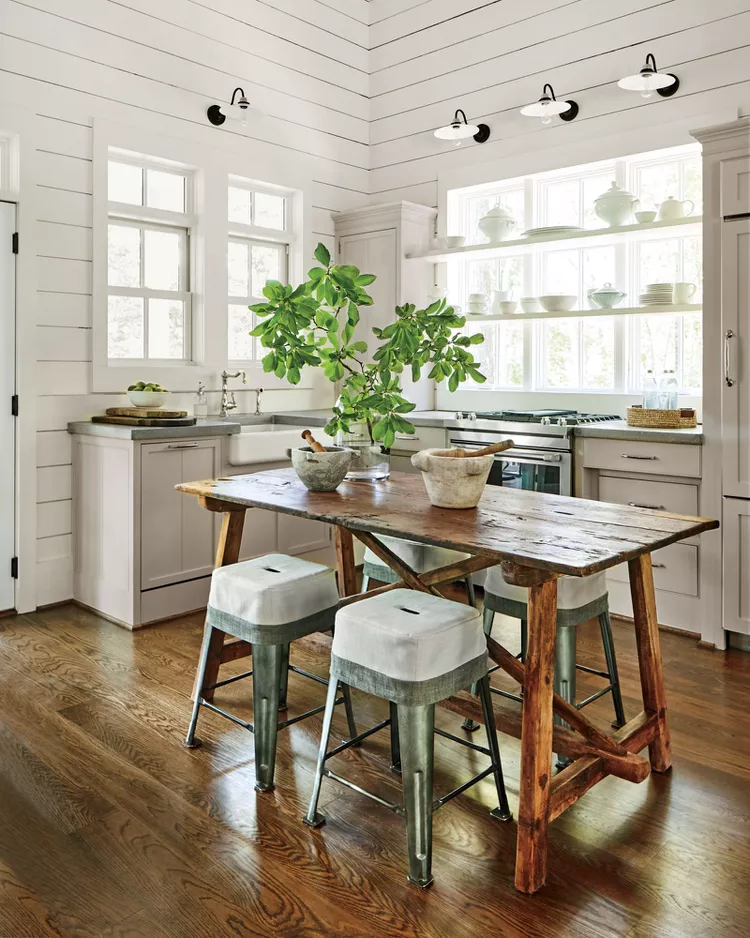
Exposed wooden beams immediately bring architectural warmth to living rooms, bedrooms, kitchens, and dining spaces. Original structural beams are particularly attractive, but decorative beams can achieve a similar visual effect.
Natural, reclaimed, or lightly distressed wood provides additional character. Pair darker beams with lighter walls to create contrast without making the ceiling feel too heavy.
Introduce Stone Features
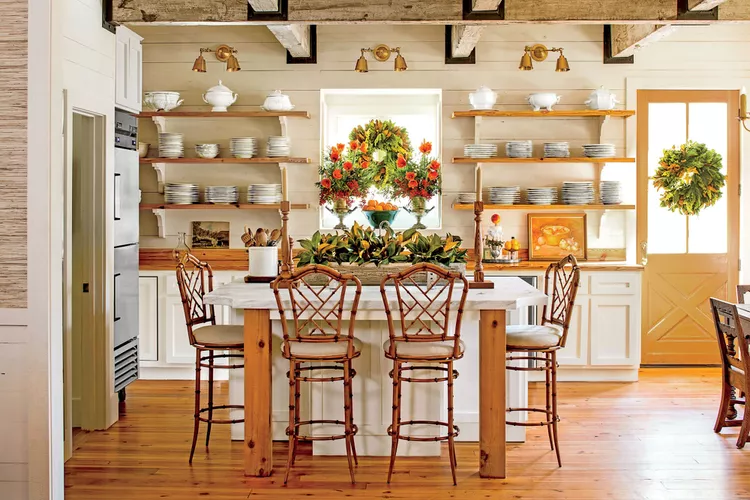
Stone provides strength, texture, and timeless character. A stone accent wall can become a dramatic focal point, particularly when surrounded by lighter furniture and natural sunlight.
Stone fireplaces are another classic rustic feature. They can create the atmosphere of a mountain lodge or countryside cottage even within a modern home. Pairing stone with wood, soft fabrics, and warm lighting makes the surrounding space especially inviting.
Include Rattan and Woven Elements
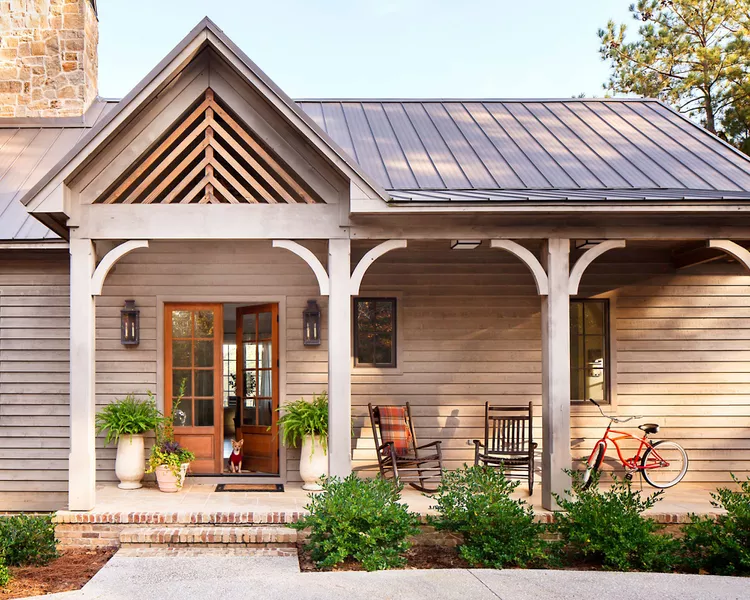
Rattan furniture and woven accessories introduce texture while keeping interiors visually relaxed. Rattan chairs, baskets, lampshades, storage containers, and occasional tables work naturally with wood and neutral fabrics.
These materials are particularly useful when creating rustic spaces that feel light rather than heavy. They can also help blend rustic, cottage, coastal, and farmhouse influences.
Incorporate Black Metal Accents
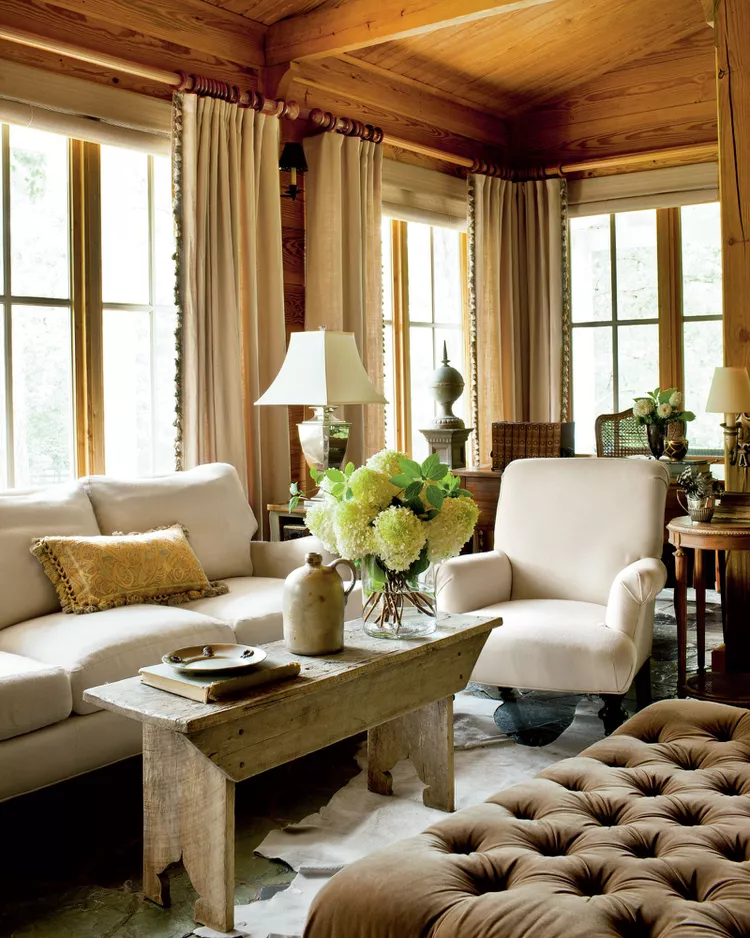
Blackened metal and wrought iron provide attractive contrast against pale walls, natural wood, and warm fabrics. Metal lighting fixtures, cabinet handles, chair frames, curtain rods, and decorative accessories can visually ground a room.
Use these darker details selectively. A few strong metal accents usually create more impact than filling the entire room with dark finishes.
Create a Relaxing Rustic Bedroom
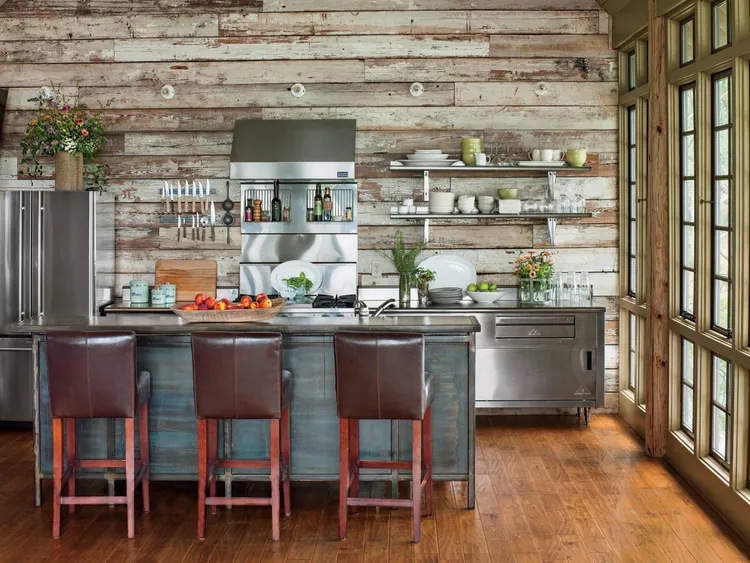
Bedrooms are ideal places to embrace rustic comfort. Start with a simple wooden bed or neutral upholstered frame, then layer natural bedding, textured blankets, patterned cushions, and soft rugs.
Vintage bedside tables, wooden benches, woven baskets, and subtle farmhouse artwork can complete the look. Keep decoration restrained so the bedroom remains peaceful rather than cluttered.
Warm bedside lighting can further enhance the relaxing atmosphere.
Embrace Cottage-Inspired Details
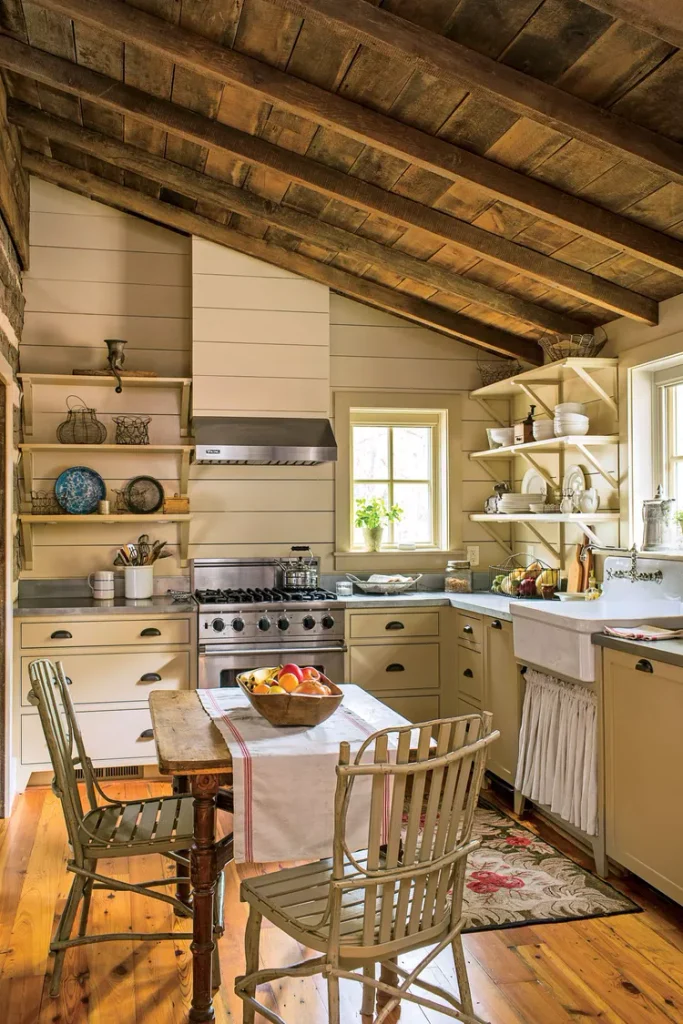
Cottage-style decoration shares many qualities with rustic design, including natural materials, vintage objects, comfortable furniture, and playful details.
Floral patterns, traditional china, handmade ceramics, wooden shelves, antique artwork, and whimsical accessories can introduce personality. These details are especially effective when surrounded by light woods and gentle neutral shades.
Welcome Imperfect Finishes
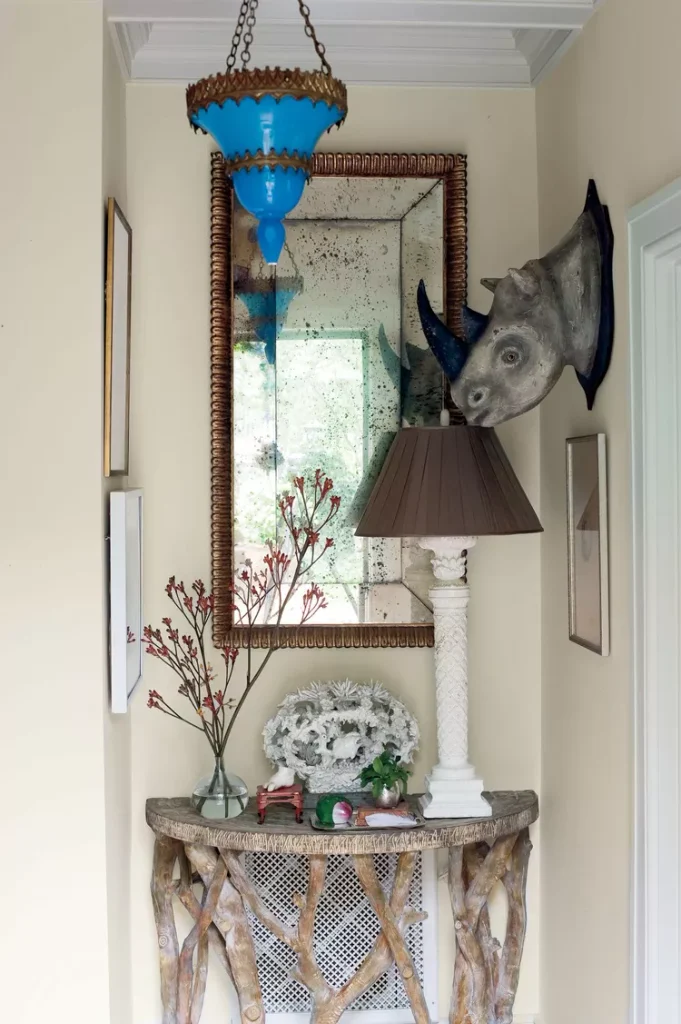
Rustic design does not demand perfection. Scratches, fading, patina, weathered wood, distressed paint, and aged metal can make furniture and accessories more interesting.
Instead of replacing every object that shows signs of age, consider whether its imperfections add character. A worn wooden table or vintage cabinet may become one of the most memorable pieces in the room.
Balance remains important. Combining aged pieces with clean, well-maintained furnishings prevents the interior from looking neglected.
Create an Inviting Rustic Porch

Rustic decoration can continue beyond interior rooms. A wooden porch furnished with rocking chairs, woven seating, outdoor cushions, lanterns, and natural plants creates an inviting transition between the home and surrounding landscape.
Wooden furniture works particularly well because it develops additional character over time. Add comfortable textiles and warm lighting to create a relaxing place for reading, conversation, or enjoying quiet evenings.
Use Candles and Warm Lighting

Lighting plays a major role in establishing a rustic atmosphere. Harsh, cool lighting can work against the softness created by wood, stone, and natural textiles.
Warm lamps, lantern-style fixtures, chandeliers, and candles can create a more intimate mood. Electric candle-style lights can provide a similar appearance where open flames are not practical.
Multiple smaller light sources often feel more comfortable than relying entirely on one bright overhead fixture.
Work With Your Home’s Existing Architecture
Some of the strongest rustic interiors begin with features already present in the home. Original wooden floors, brick walls, ceiling beams, fireplaces, built-in cabinets, and older doors can become valuable design assets.
Rather than covering these elements, restore and highlight them whenever practical. Combining original architecture with carefully selected modern furniture can create an interior that feels authentic without becoming outdated.
Frequently Asked Questions
What is rustic home decor?
Rustic home decor combines natural materials, warm colors, aged finishes, and comfortable furnishings to create cozy, welcoming interiors.
Which colors work best for rustic decor?
Warm beige, brown, cream, olive green, tan, and other earthy shades work beautifully in rustic spaces.
What materials are commonly used in rustic homes?
Wood, stone, rattan, linen, cotton, leather, iron, and other natural materials are popular choices.
Can rustic decor work in modern homes?
Yes. Rustic textures and vintage accents can complement modern furniture, appliances, and contemporary architectural features.
How can I make my living room look rustic?
Add wooden furniture, woven rugs, textured cushions, warm lighting, earthy colors, vintage accessories, and natural decorative elements.
Is rustic decor expensive?
Not necessarily. Thrifted furniture, reclaimed wood, vintage accessories, baskets, and simple DIY projects can create affordable rustic charm.
What is the difference between rustic and farmhouse decor?
Rustic decor emphasizes natural, rugged materials, while farmhouse style combines rustic elements with cleaner, practical country-inspired details.
Conclusion
Rustic home decor creates a warm, comfortable, and timeless atmosphere by celebrating natural beauty and relaxed living. Wood, stone, earthy colors, vintage furniture, woven textures, and warm lighting can give every room a welcoming personality. Small details such as farmhouse sinks, wooden beams, rattan accessories, candles, and distressed finishes can further strengthen rustic charm.

1 Comment
Pingback: Mallorcan Finca Blends Rustic Charm With Modern Style and a 12-Acre Vineyard - Vintage Home Decor