

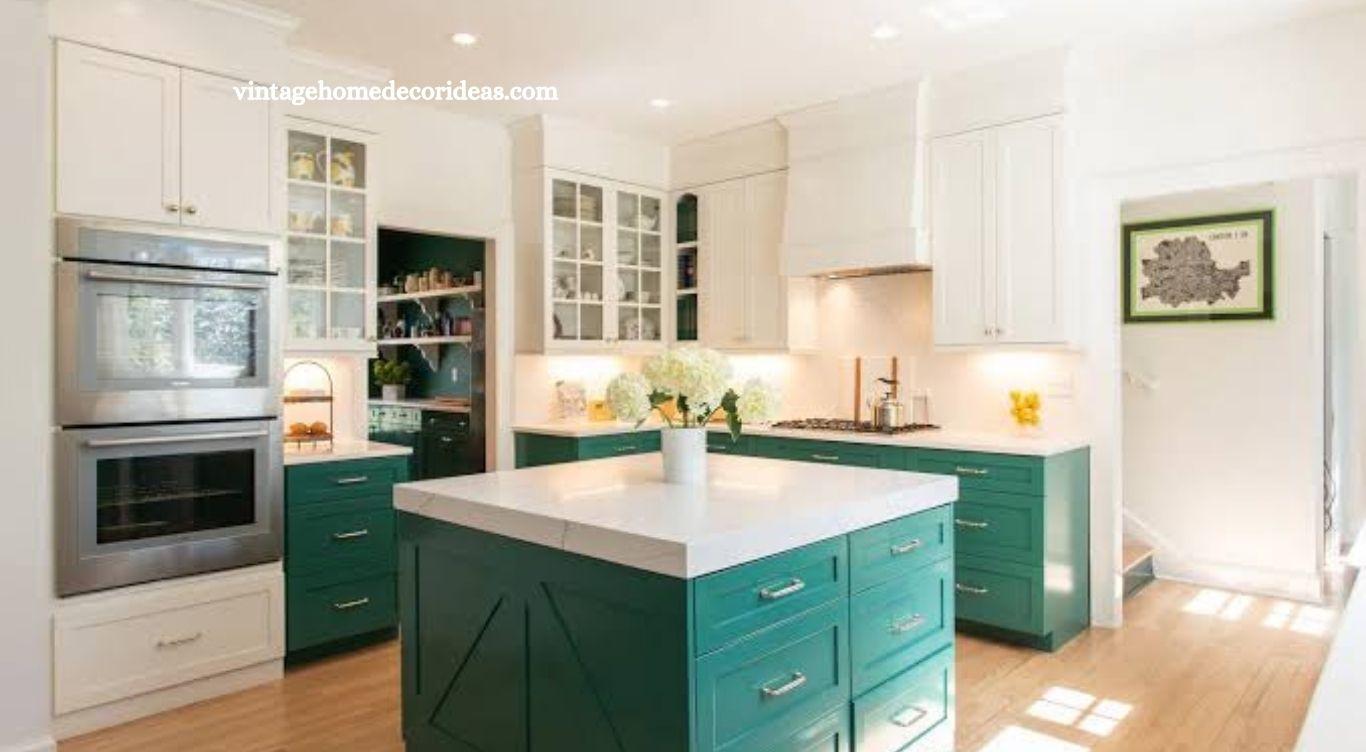
Open storage can bring practicality, personality, and a greater sense of space into almost any room. From floating kitchen shelves and living-room bookcases to closet racks, mudroom cubbies, and garage shelving, open storage keeps frequently used belongings visible and within easy reach. It can also make smaller rooms feel lighter because bulky cabinet doors and enclosed units are reduced.
However, open storage presents one major challenge: everything remains visible. Too many objects, mismatched containers, overcrowded shelves, and poorly organized everyday essentials can quickly turn an attractive storage system into visual clutter. Successful open storage therefore depends on thoughtful organization, careful selection, and regular maintenance.
Read More: Cozy Sunken Living Room Transforms a Concrete Buenos Aires Home
A well-designed system combines function with appearance. These practical ideas can help create open storage that remains useful, organized, and visually appealing.
Display Attractive Items on Open Shelves
Open shelving works best when it showcases belongings that contribute positively to a room’s appearance. Books, attractive glassware, ceramics, framed photographs, decorative bowls, plants, and stylish storage baskets can become part of the overall interior design.
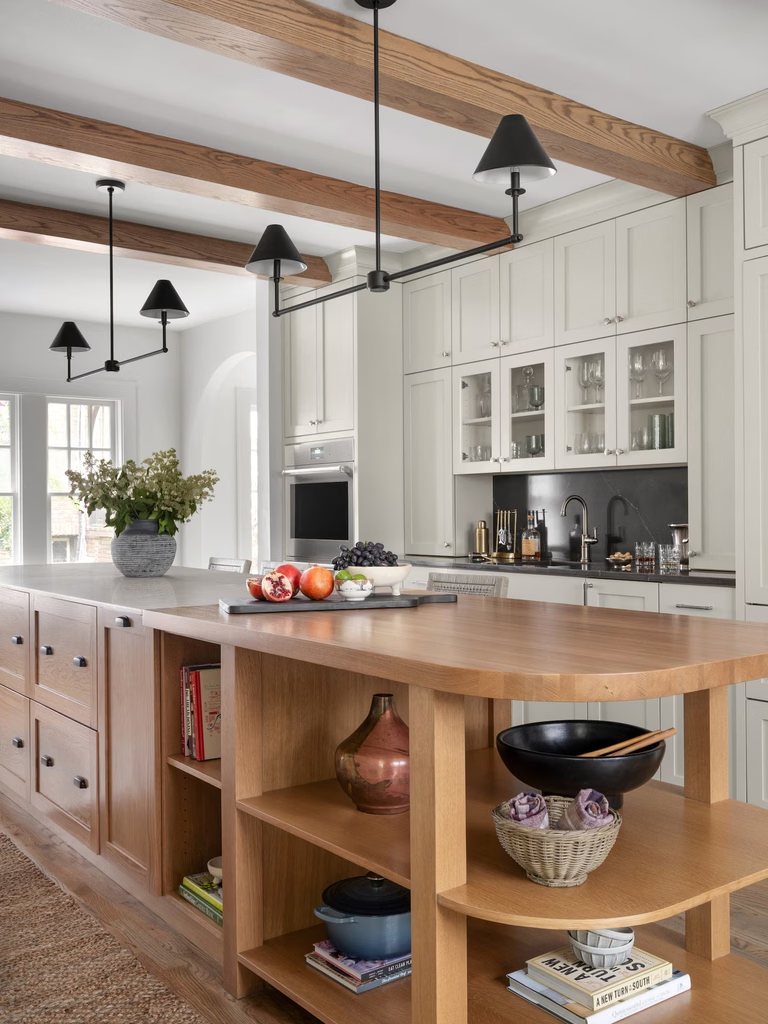
Less attractive necessities, including cleaning supplies, medicine, spare cables, tools, or miscellaneous household products, are usually better placed inside cabinets, drawers, or opaque containers.
Consider every visible object part of the room’s design. A carefully selected collection can make open shelves feel intentional rather than simply used as overflow storage.
Choose Larger Pieces Instead of Many Small Objects
Numerous small decorative objects can make shelving appear crowded even when everything is technically organized. Larger pieces often create a cleaner and more sophisticated appearance.
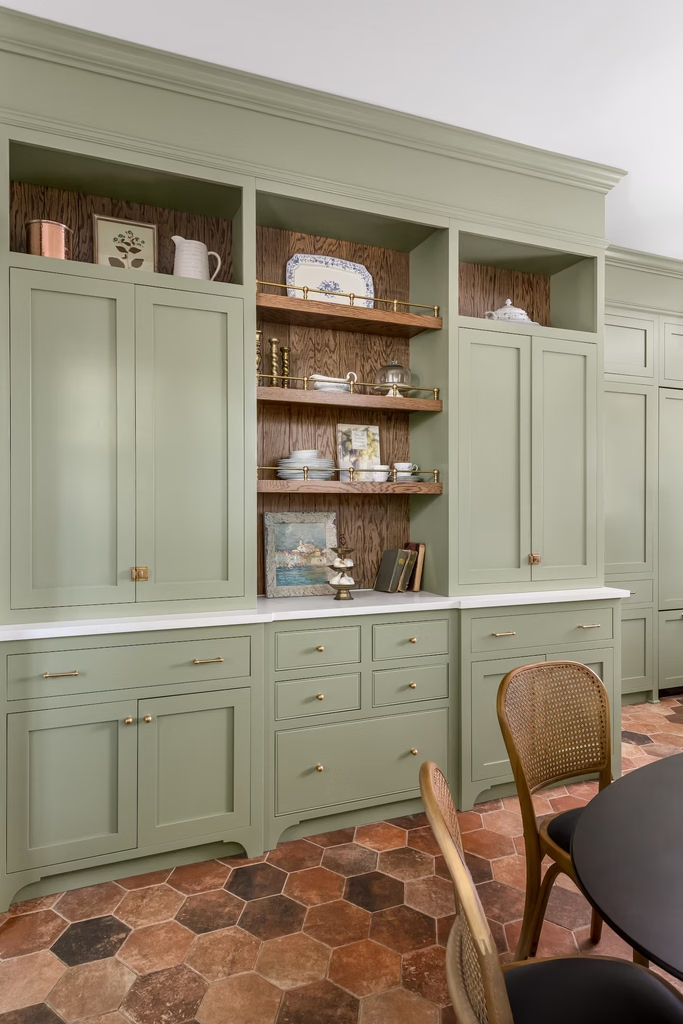
Consider displaying a large vase, framed artwork, decorative bowl, or substantial plant instead of several small ornaments in the same area. Bigger objects create stronger visual focal points while reducing competition between individual items.
Leaving unused space around these pieces is equally important. Shelves do not need to be filled. Open areas give objects breathing room and help create a calm, balanced appearance.
Separate Decorative Storage From Functional Storage
Not every open storage area needs to serve the same purpose. Separating decorative storage from practical household storage can make organization considerably easier.
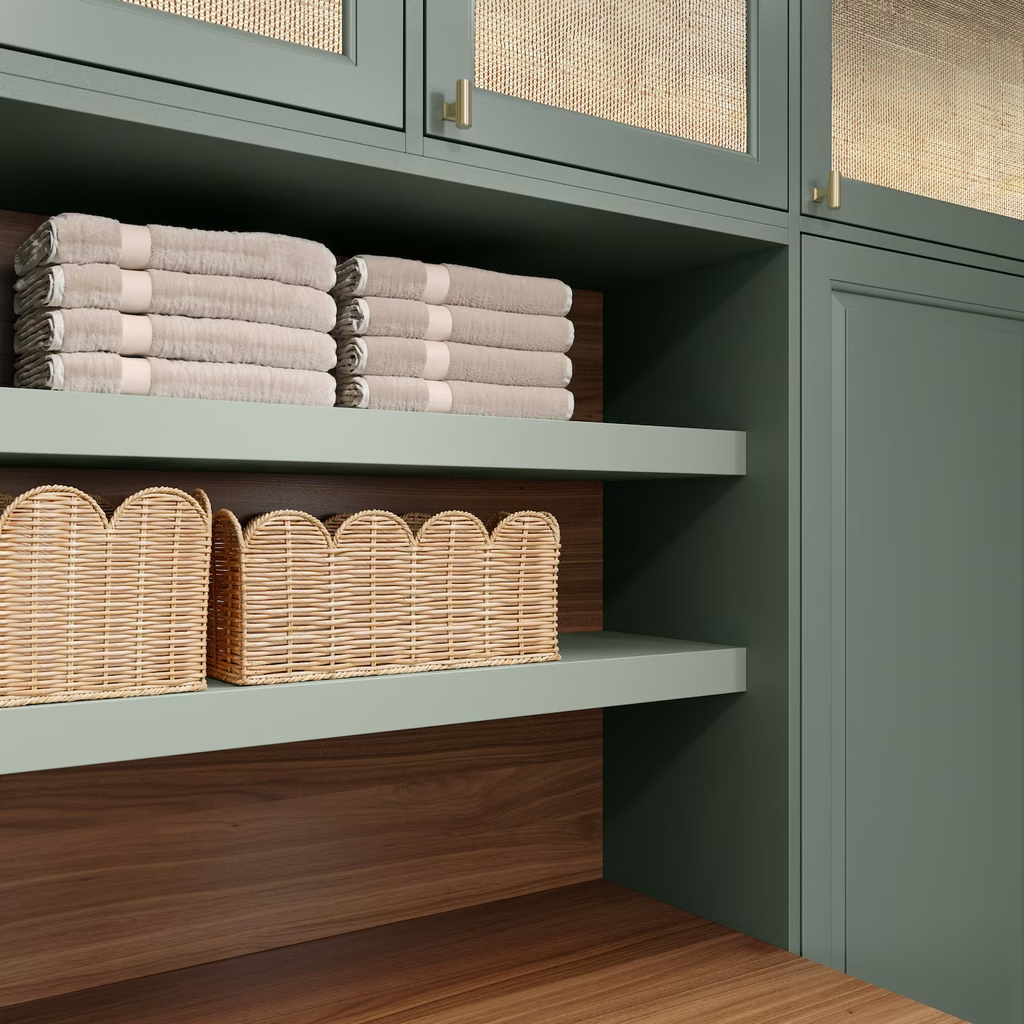
Living rooms, dining areas, and visible kitchen shelves are ideal locations for carefully arranged decorative objects. Garages, mudrooms, laundry rooms, basements, and secondary hallways can handle more functional belongings, including shoes, bags, sports equipment, jackets, tools, and seasonal supplies.
Creating this distinction prevents everyday household necessities from dominating primary living areas while still keeping them conveniently accessible.
Use Baskets, Bins, Jars, and Boxes
Containers are among the easiest ways to control clutter on open shelving. Instead of displaying dozens of loose objects, place smaller belongings inside baskets, bins, jars, or decorative boxes.
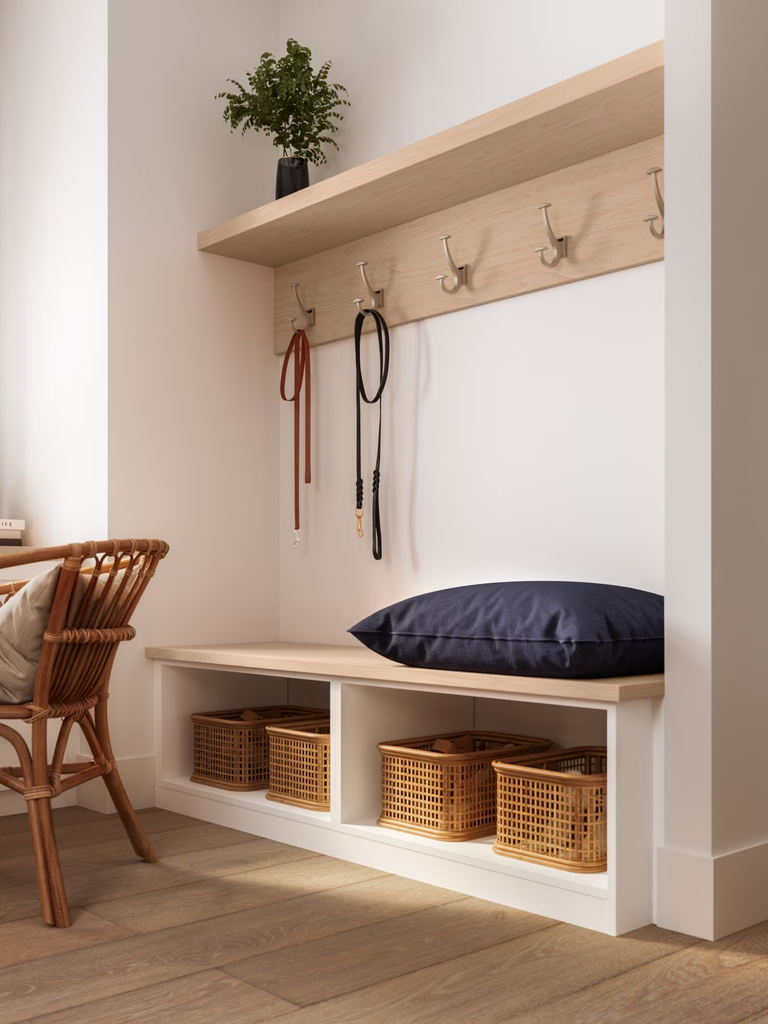
Rattan baskets can introduce warmth and texture, while fabric bins provide a softer appearance. Clear containers are practical when visibility matters, while opaque containers hide less attractive items.
Containers also make cleaning and reorganizing easier. Rather than moving many individual objects, you can simply remove one basket or bin.
Add Decorative Elements for Balance
Functional open storage does not have to look purely utilitarian. Decorative pieces can help break up repetitive rows of books, games, boxes, or household supplies.
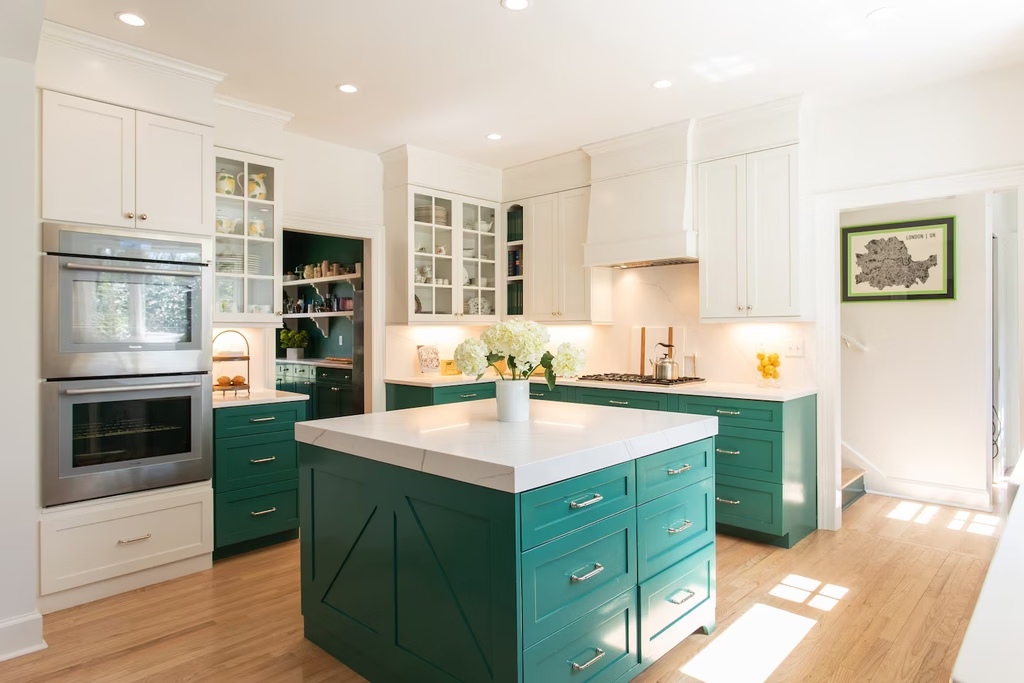
Try placing a framed photograph beside a row of books or adding a vase between storage baskets. Candles, small sculptures, plants, artwork, and decorative bowls can provide variety without sacrificing functionality.
The key is moderation. Decorative objects should enhance the arrangement rather than become another source of clutter.
Avoid Filling Every Inch of Shelf Space
One common open-storage mistake involves treating every empty area as wasted space. In reality, space is an important design element.
Avoid packing shelves from one end to another. Instead, create small groups of related objects and leave gaps between them. This approach makes individual pieces easier to see while creating a more relaxed appearance.
Regular editing also helps. If shelves begin feeling crowded, remove items that are rarely used, no longer attractive, or better stored somewhere else.
Choose Matching Storage Containers
Consistency creates immediate visual order. Using matching or coordinating baskets, containers, and boxes can make even busy storage areas appear more organized.
Containers do not necessarily need to be identical. They can share similar materials, shapes, or neutral finishes to establish a consistent design language.
The same principle applies to open closets. Matching hangers create cleaner lines and reduce the visual distraction caused by different hanger shapes, sizes, and materials.
Group Similar Items Together
Grouping related objects is a simple organizational principle that works particularly well with open storage.
Keep books together, place office supplies within one designated section, group children’s craft materials in another, and store seasonal decorations in clearly defined containers. Kitchen shelves can similarly organize glasses, bowls, plates, and cooking essentials by category.
Labels can improve organization further, particularly when using opaque containers. Clear categories also make it easier for everyone in the household to return items to their proper location.
Use Shelf Dividers for Folded Items
Wide shelves can create problems when storing folded clothes, towels, or linens. Tall stacks frequently lean sideways or collapse when something is removed from the middle.
Shelf dividers provide simple structural support. They create defined sections for sweaters, T-shirts, towels, jeans, handbags, and other belongings.
Dividers can also prevent categories from gradually mixing. This small addition is particularly useful in open closets, linen storage areas, and laundry rooms.
Be Careful With Wall Hooks
Wall hooks offer convenient storage, but too many visible hooks can quickly create a messy appearance. Bags, coats, keys, hats, scarves, and other hanging items produce irregular shapes that naturally attract attention.
Use hooks strategically rather than covering every available wall. Whenever possible, position them inside closets, behind doors, in mudrooms, or in less visible areas.
When hooks must remain visible, limit the number of items hanging from them and avoid using each hook as permanent overflow storage.
Plan for Regular Dusting and Cleaning
Open shelving requires more maintenance than closed cabinetry because belongings remain exposed to dust.
Kitchen shelving can require even greater attention. Cooking produces airborne grease and moisture that can settle on exposed dishes, containers, and decorative items. Dust can then stick to this residue, making shelves harder to maintain.
Store frequently used dishes on accessible kitchen shelves because regular use naturally keeps them moving through the cleaning cycle. Decorative objects should be easy to remove so surfaces can be wiped regularly.
Build Simple Habits to Maintain Organization
Even the best open-storage design can become cluttered without regular upkeep. A simple routine helps preserve the original arrangement.
Return objects to their designated locations after use, remove unnecessary items, straighten containers, and periodically review what remains on display. Seasonal changes also provide a good opportunity to reorganize shelves and remove belongings that are no longer useful.
A five-minute weekly tidy can prevent small amounts of disorder from developing into a larger organizational project.
Creating Open Storage That Feels Calm
Effective open storage is not about displaying everything you own. It is about deciding what deserves visibility and organizing those belongings intentionally.
Combining attractive objects with coordinated containers, defined categories, generous space, and practical organizational tools creates a system that feels both functional and polished. Larger decorative pieces can provide visual anchors, while baskets and bins keep everyday necessities under control.
Different rooms may require different approaches. A living-room bookshelf can emphasize decoration, while garage shelving prioritizes accessibility and durability. Kitchen shelves need regular cleaning, while open closets benefit from matching hangers and shelf dividers.
Frequently Asked Questions
What is open storage?
Open storage uses visible shelves, racks, baskets, or cubbies to organize belongings while keeping them easily accessible.
How can I prevent open shelves from looking cluttered?
Limit displayed items, group similar objects, use matching containers, and leave enough space between decorative pieces.
What items work best for open storage?
Books, glassware, decorative baskets, plants, dishes, framed photos, and attractive everyday essentials work especially well.
Are baskets useful for open shelving?
Yes. Baskets organize smaller belongings, hide visual clutter, and create a cleaner, more coordinated appearance.
Should every open shelf be filled?
No. Leaving some space creates visual balance and helps shelves appear cleaner, calmer, and more organized.
How often should open shelves be cleaned?
Dust shelves regularly and clean kitchen shelving more frequently because cooking grease and moisture can accumulate quickly.
Is open storage suitable for small spaces?
Yes. Well-organized open storage can maximize vertical space, improve accessibility, and make smaller rooms feel more spacious.v
Conclusion
Open storage can make any home feel more spacious, organized, and visually appealing when used thoughtfully. Choosing attractive items, grouping similar belongings, using matching baskets or containers, and leaving enough space can prevent shelves from becoming cluttered. Regular cleaning and simple organizing habits also help maintain a polished appearance.

1 Comment
Pingback: Rustic Home Decor Ideas for a Cozy, Dreamy Space - Vintage Home Decor